Written scope
Species, thickness, finish and square footage itemized
Hardwood Floor Installation Abilene TX means reading the slab, the subfloor and the West Texas humidity before a single plank goes down. We install solid red oak, white oak, hickory and engineered hardwood across Taylor County homes, from 1930s bungalows near Original Town to new builds out past Dyess. If you want wood floor installation in Abilene that still sits flat after five summers, we start with the moisture meter, not the nailer.
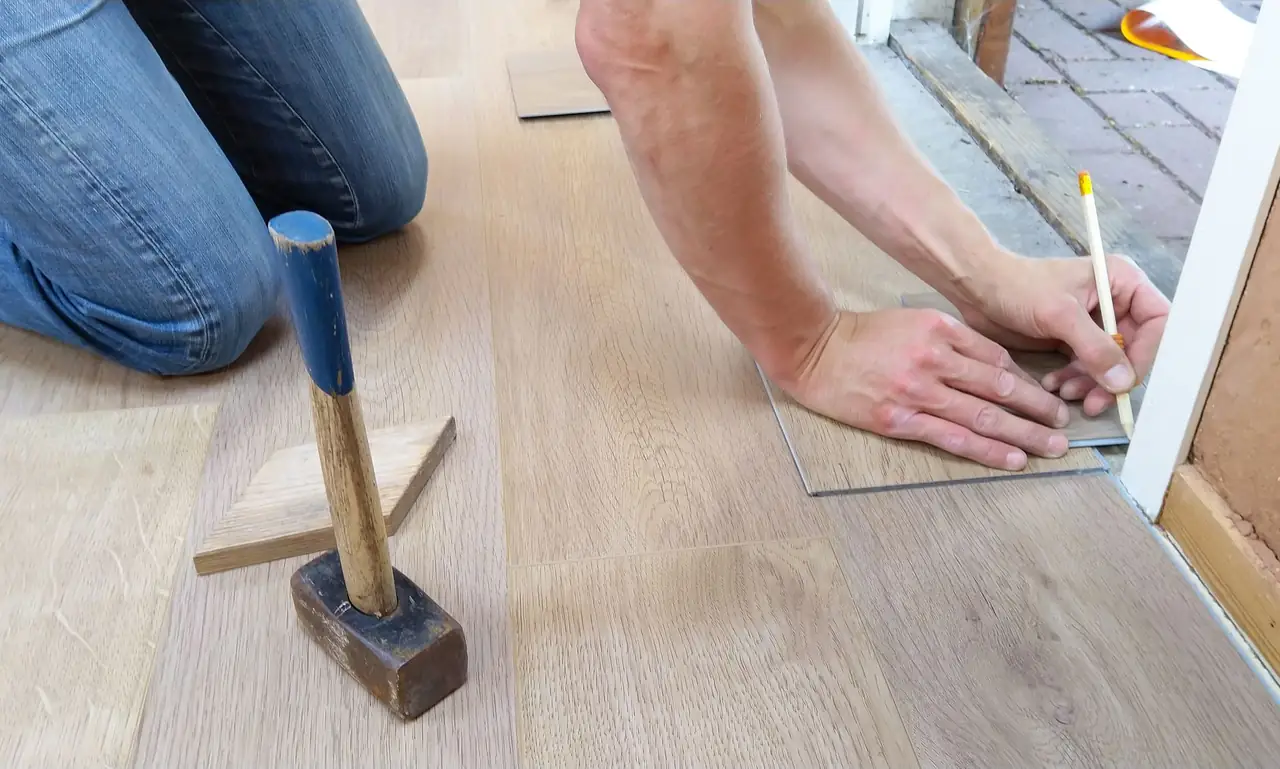
Every install starts with a measured scope. These are the items that come standard on an Abilene Hardwood Flooring job, and the ones we quote separately so there are no surprises.
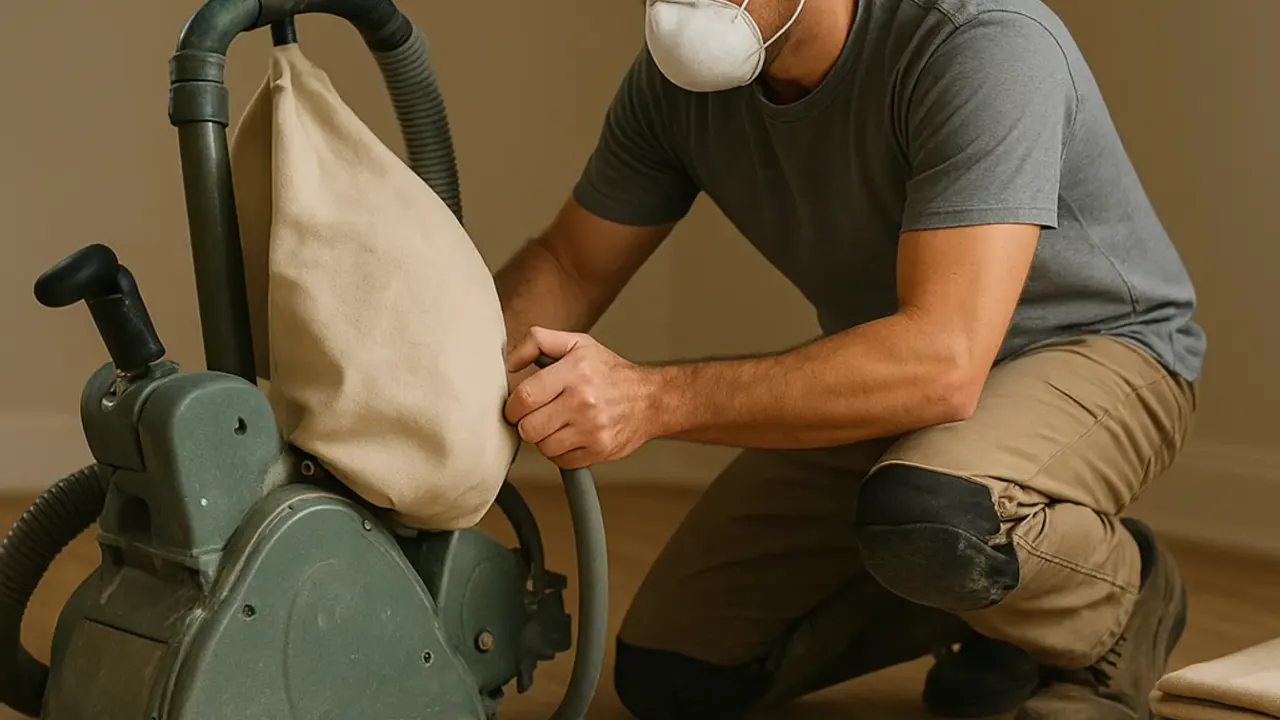
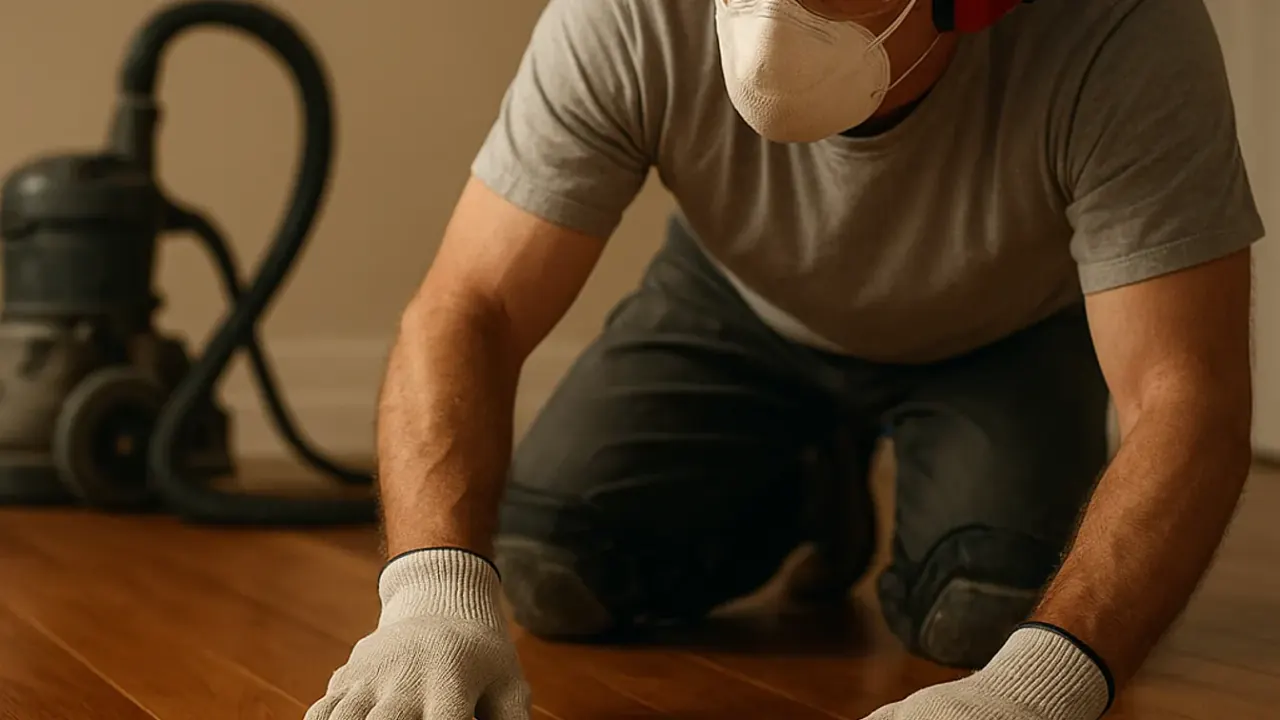
We install wood floors in occupied homes and work around your family, pets and furniture. Rooms get sealed off and the vacuum runs daily so dust stays contained.
We schedule installs around business hours and stage the work so your space stays usable. Dust control and daily cleanup are part of the plan.
Hardwood Floor Installation Abilene TX is the process of fastening solid or engineered wood planks to a prepared subfloor so the finished floor is flat, tight and quiet. We start by checking moisture content in the slab or plywood subfloor, then grind high spots, fill low ones and lay down a vapor barrier where the slab calls for it. Planks are racked for grain and color, cut with an oscillating multi-tool at door jambs, and fastened with a pneumatic flooring stapler or cleat nailer through the tongue. Baseboards and transition strips go back on last.
Abilene sits on clay soil that swells and shrinks with every wet and dry cycle, and that movement telegraphs straight into a floor. Add slab-on-grade construction in most neighborhoods and you get a recipe for cupping, crowning and gaps between boards if the installer skips the moisture reading. We also see plenty of homes in the Lytle Area and Sayles Blvd Area with old carpet glue, popping nails and soft spots that need attention before any new wood goes down. That prep work is what separates a floor that lasts from one that squeaks by spring.
We read the subfloor first, then let the wood do the rest.
Five steps, start to finish. You will know what is happening each day, how long it takes, and when you get your rooms back.
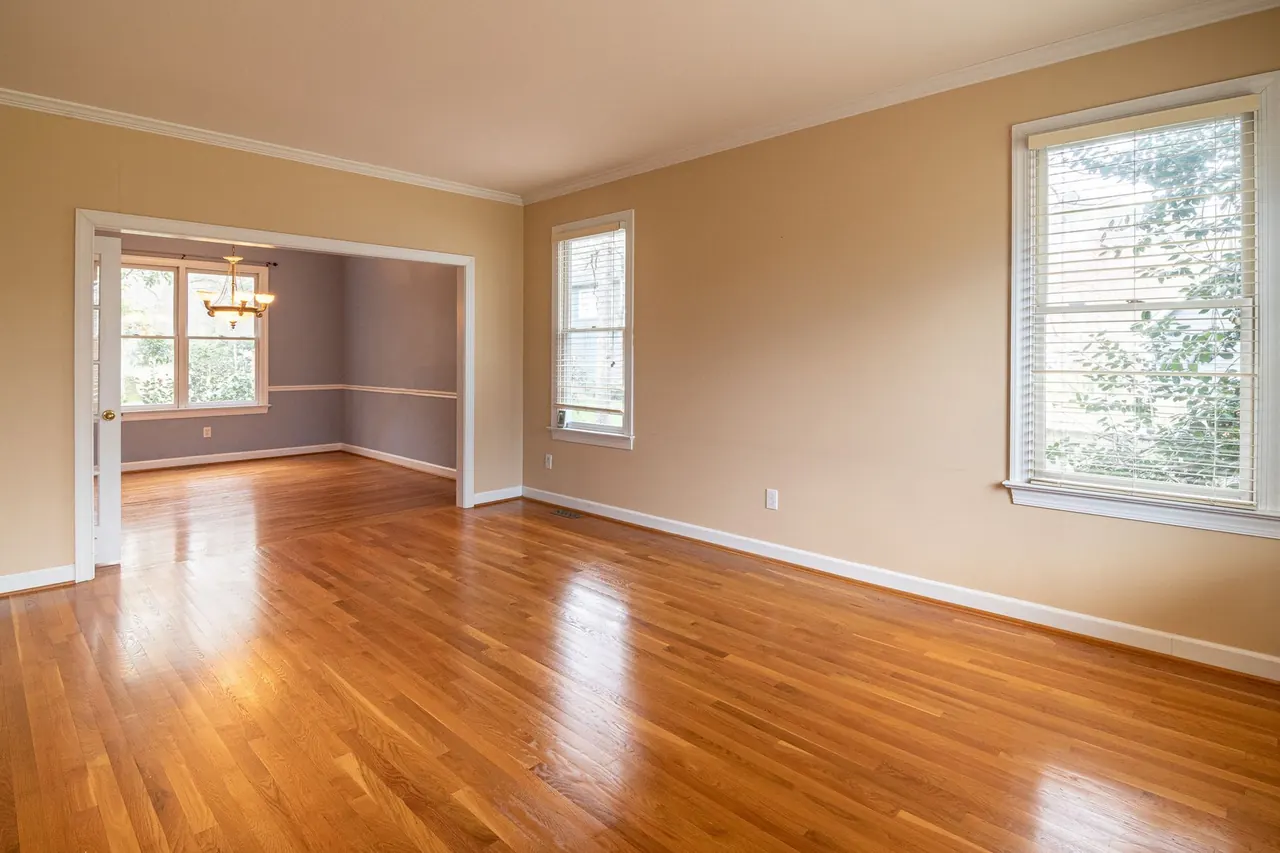
We walk the rooms, measure square footage, check the subfloor and note door clearances, transitions and any soft spots. You get a written scope with the plank species, finish and thickness spelled out, plus a hardwood floor installation cost Abilene TX figure for the whole job. Most quotes take under an hour on site.
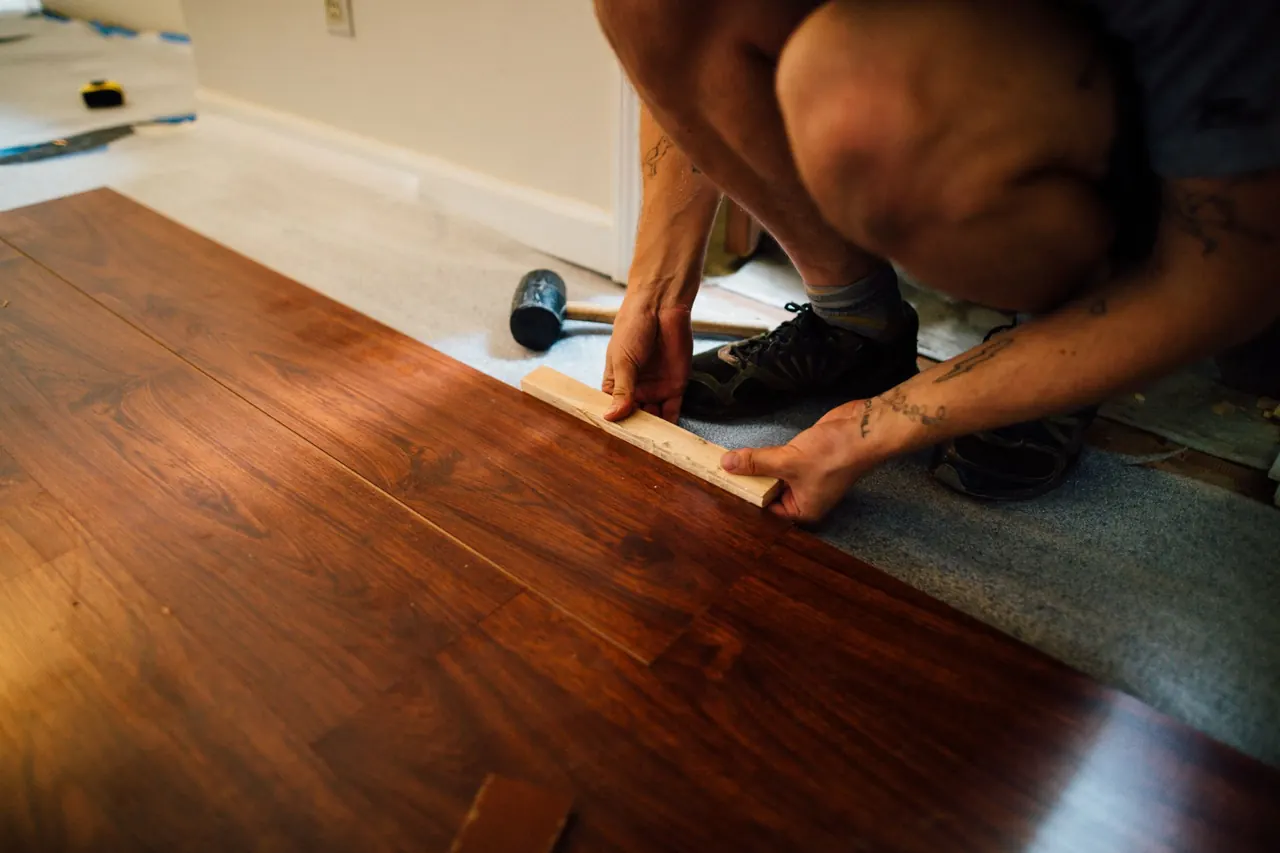
We pull carpet, pad, tack strip and old flooring, then scrape glue with a pry bar and floor scraper. Nails get set, squeaks get screwed down, and soft subfloor panels get replaced. On slab jobs we grind high spots and check moisture. One to two days for a typical three-bedroom home.
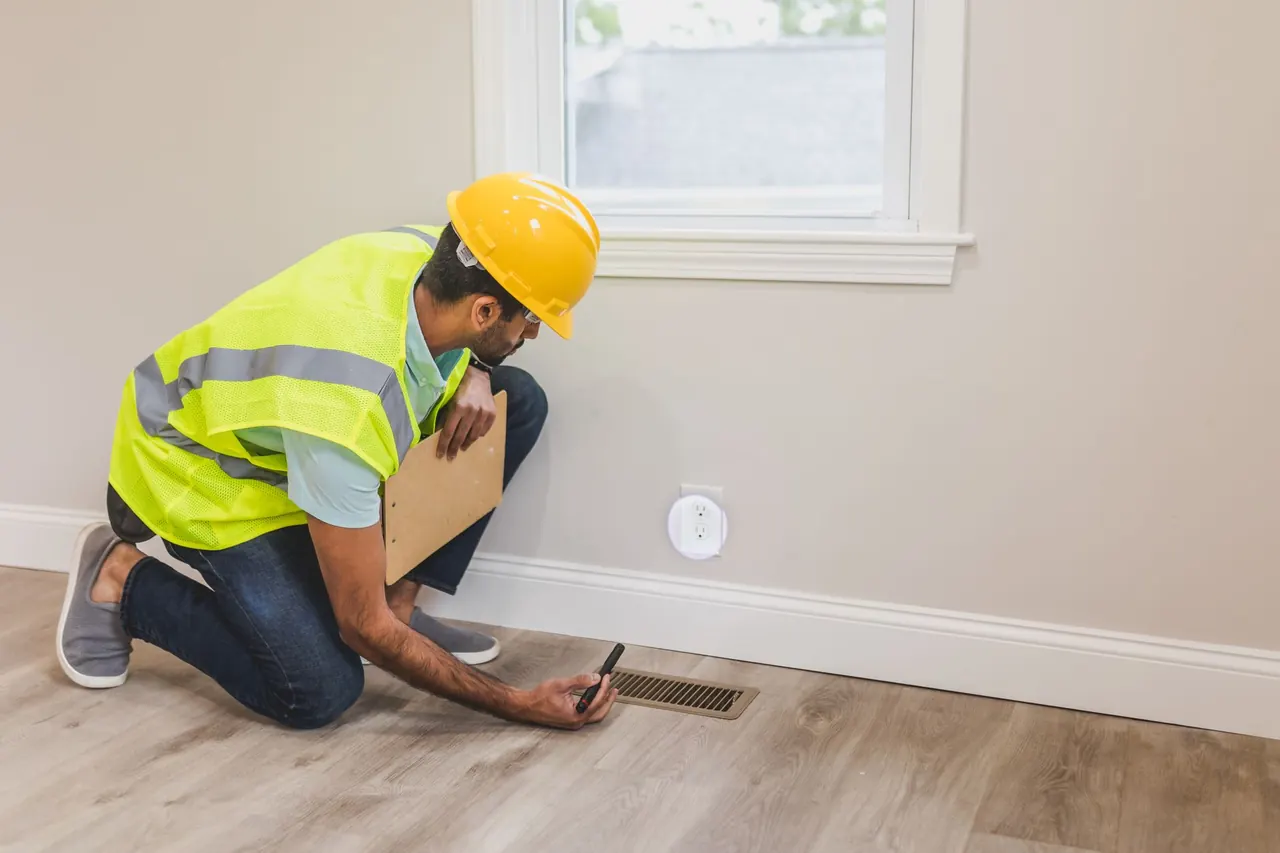
Planks sit in the house for 48 to 72 hours so they match indoor conditions. Then we rack them across the room, balancing grain and color so no dark cluster lands in the middle of the living room. You approve the layout before we fasten the first row.
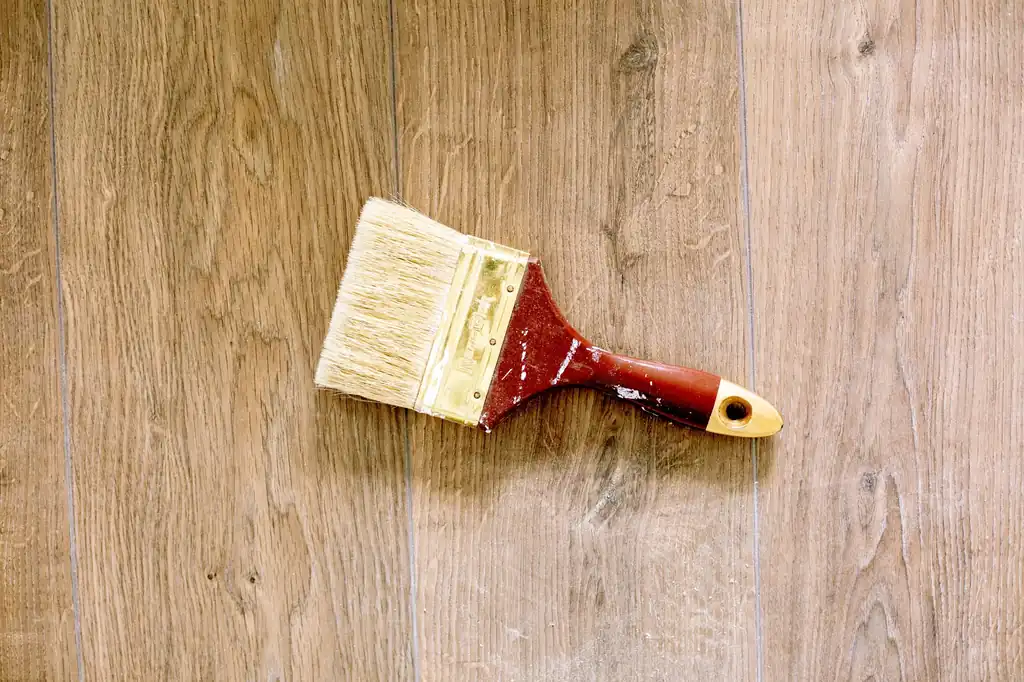
We chalk a start line, blind-nail through the tongue with a pneumatic flooring stapler, and face-nail the first and last rows. Door jambs get undercut with an edge trim router so planks slide underneath cleanly. A 400 square foot room runs one to two days depending on pattern and obstacles.
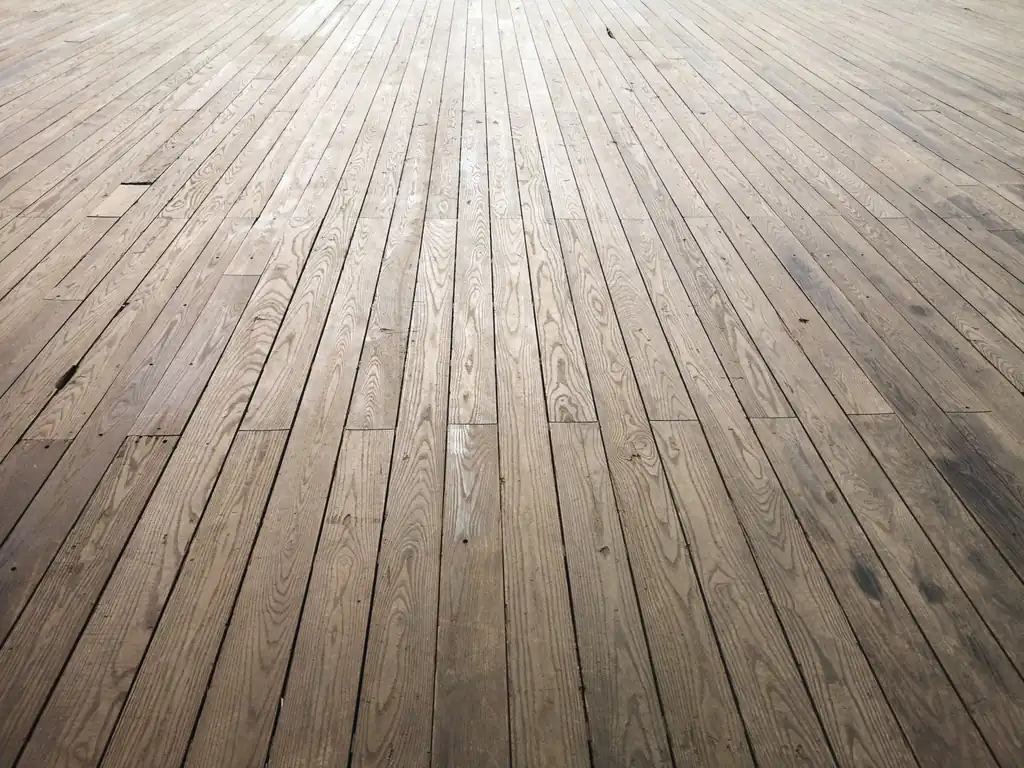
Baseboards and transition strips go back on, and we set the final finish or buff a factory-finished plank. Then we walk the floor with you, room by room, under good light. Any board you flag gets addressed before we pack the truck. Most jobs wrap in four to seven working days.
Reads moisture content in the slab or plywood subfloor before installation. We log readings so we know whether a vapor barrier or a different plank type is needed.
Drives flooring cleats and staples through the tongue at the correct angle and depth. This is what keeps solid planks tight to the subfloor and quiet underfoot.
Levels the field of the floor and removes old finish or mill marks. We follow with an edger sander along walls and a floor buffer between coats.
Undercuts door jambs and cuts around obstacles so planks slide underneath cleanly. Clean cuts here are what make a finished floor look built-in rather than added on.
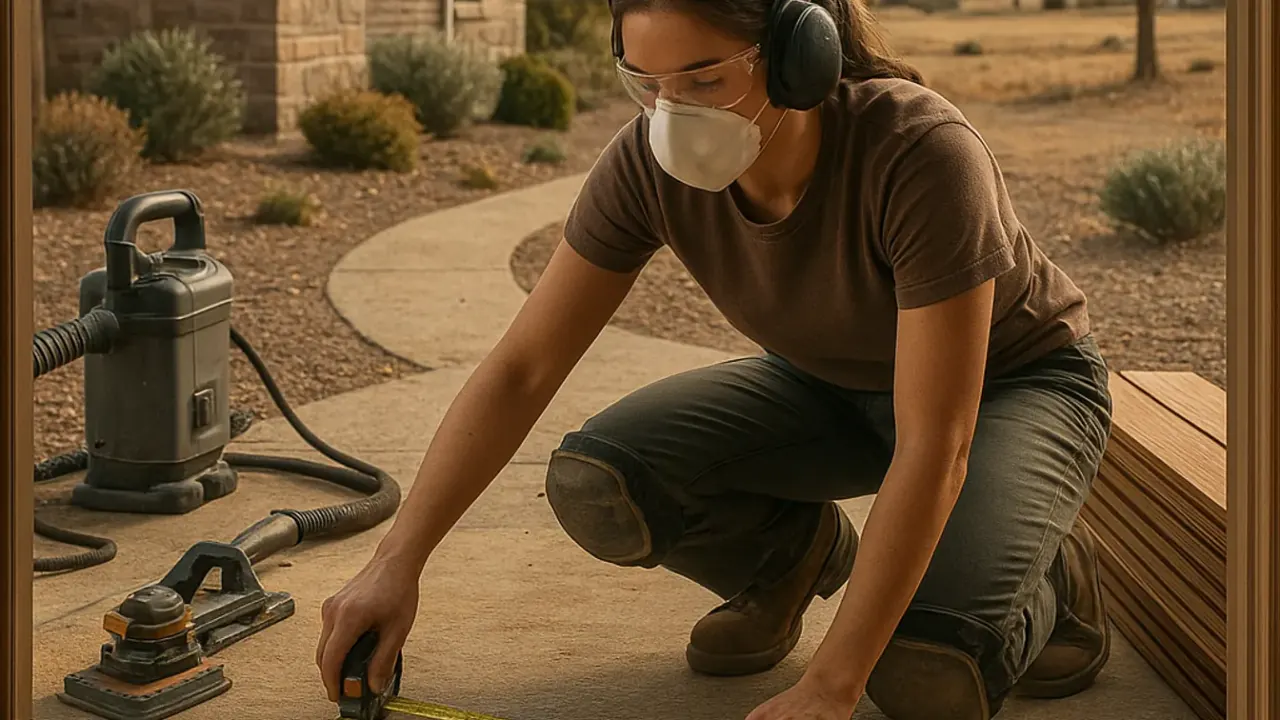
Pulls dust and debris during tear-out and sanding. We run it daily so the rest of your house stays livable while we work.
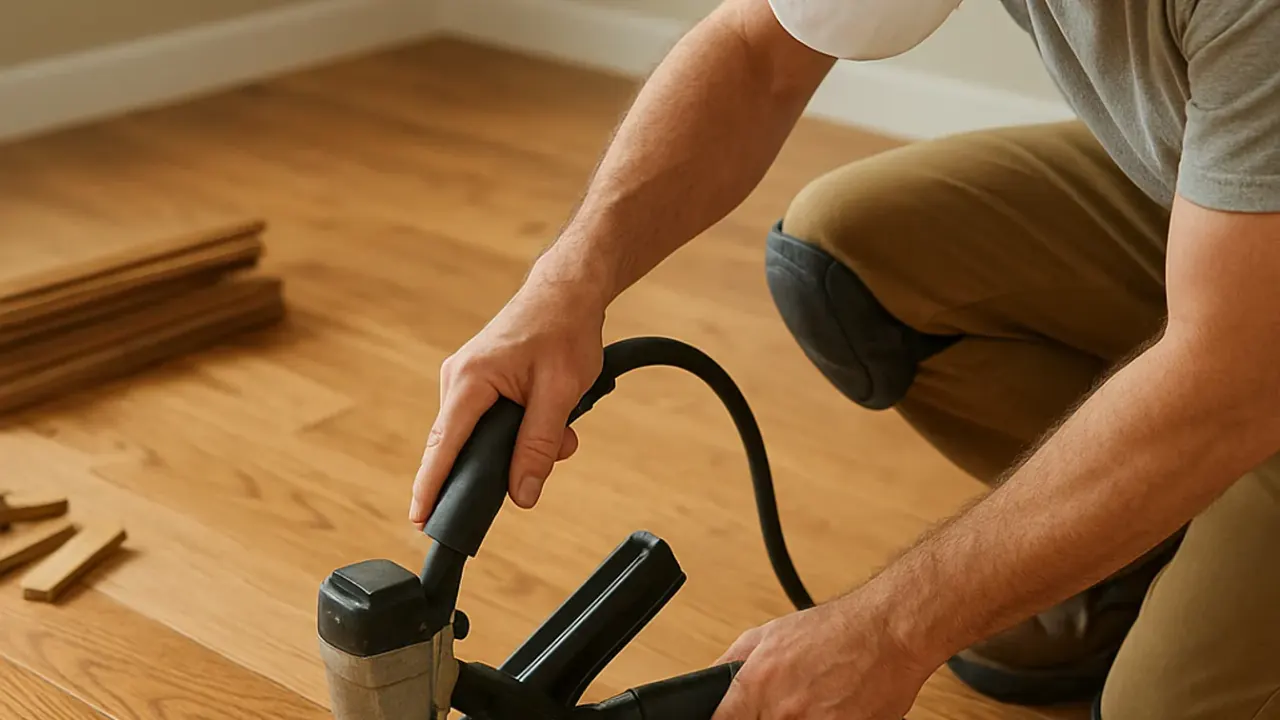
Sets rows tight without damaging the tongue, and removes old glue, tack strip and adhesive from the subfloor during tear-out.
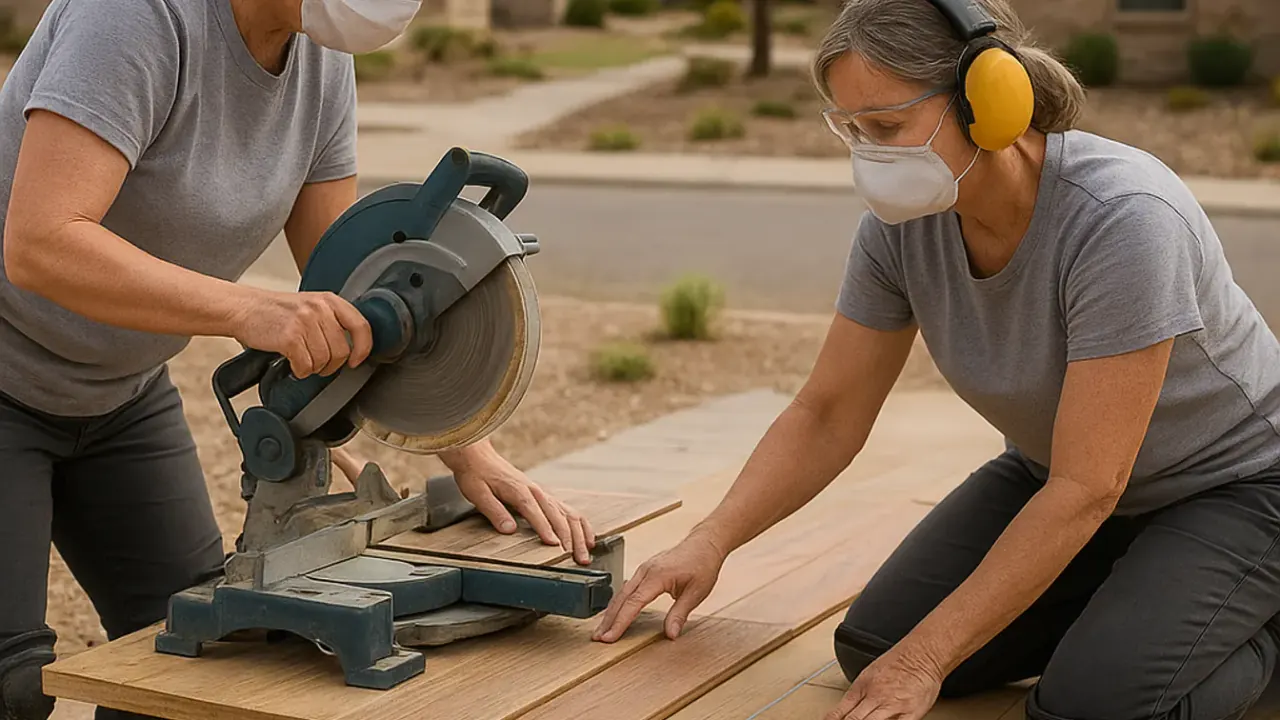
We follow NWFA fastener spacing, expansion gap and subfloor flatness tolerances on every job. That means planks are not nailed too tight against walls and the subfloor is flat before we start, which is what prevents cupping and squeaks down the road.

Planks sit in your home 48 to 72 hours, and we take moisture meter readings on the slab or plywood before installation. In Abilene's climate, skipping this step is the fastest way to end up with gaps between boards by the next dry winter.
We test the slab for moisture, grind high spots, lay a vapor barrier and install engineered hardwood planks glued down. Baseboards come off and go back on, and we undercut the door jambs so the planks sit clean. A flat, quiet floor that handles Abilene humidity swings without cupping, finished in under a week for most three-bedroom homes.
We tear out the damaged boards, screw down the subfloor, replace soft panels and install solid red oak planks to match the home's era. Then we sand and finish with a water-based polyurethane that keeps the natural color. Original character with modern durability, and a floor that can be sanded and refinished again in ten or fifteen years.
We quote engineered hickory over the slab, show the moisture readings, and install with a durable factory finish. Tear-out of old carpet and pad happens in one day, and we run an industrial floor vacuum to keep dust out of the other unit. Both units back on the market within a week, with a floor that wipes clean instead of trapping stains.
We bring samples of Bruce, Shaw and Somerset planks, compare grain and color against the existing floor, and rack the new rows so the transition blends. Doorway transitions are cut and set to hide the seam. A continuous look from room to room, with a transition strip that reads as a design detail instead of a patch.
Abilene sits on expansive clay soil, and that single fact drives most of what we do on a wood floor job. Slabs move with wet and dry cycles, so we take moisture meter readings on every slab-on-grade install and roll out a vapor barrier before engineered planks go down. Pier-and-beam homes around North College and Original Town North behave differently, and there we check joists, screw down squeaks and replace soft plywood before nailing solid red oak or hickory. Summer humidity and dry winter air both pull at the wood, which is why we acclimate planks on site for 48 to 72 hours instead of nailing straight off the truck. If you are weighing professional hardwood floor installers Abilene TX options, ask how they handle slab moisture and expansion gaps, because that is where most floors fail. We also work around the realities of occupied homes: pets, furniture and kids. Rooms get sealed off, the industrial floor vacuum runs daily, and we stage the job so you keep at least one bathroom and a path to the kitchen. For older houses with lead paint on trim, we follow EPA Lead-Safe Certified Firm procedures during tear-out.
A 1960s pier-and-beam home in the Elmwood Area had worn carpet over plywood with squeaks in the hallway and two soft panels near the bathroom door. The homeowner wanted wood but worried about the subfloor.
We replaced the soft panels, screwed down the squeaks and installed 540 square feet of solid white oak in three bedrooms and the hall. Job ran five working days including acclimation. The floor is flat, quiet and finished with a water-based polyurethane that kept the oak light.
Damp mop weekly with a pH-neutral cleaner, keep indoor humidity between 35 and 55 percent, and felt-pad furniture legs. Expect to refinish in ten to fifteen years depending on traffic.
A slow slab leak near the kitchen in a Far Southside ranch house had buckled about 200 square feet of laminate and left dark staining on the concrete. The homeowner needed flooring that could handle moisture.
We cut out the damaged section, treated the slab, ground high spots and installed engineered hickory planks over a vapor barrier across 700 square feet. Moisture readings were logged before and after. The floor sits flat with no hollow spots and wipes clean.
Wipe spills promptly, run a dehumidifier during humid weeks, and avoid steam mops. Engineered planks can be lightly sanded once if the finish wears in high-traffic areas.
A duplex near Dyess Area had tenant-worn carpet in both units, pet odor in one, and a tight window between leases. The landlord needed durable flooring installed fast without disrupting the occupied side.
We tore out carpet and pad in one day, sealed off the work area, and installed 1,100 square feet of engineered hardwood planks with a factory finish across both units. The industrial floor vacuum kept dust out of the occupied side. Both units rented within a month.
Sweep or dry mop weekly, use a damp cloth for spots, and place mats at entry doors. Factory finishes hold up well to tenant turnover and do not need waxing.
Most floors we replace were not ruined by the wood. They were ruined by moisture, a soft subfloor or a fast install that skipped prep. Here is what we run into and how we handle it.

We take moisture meter readings across the slab, grind high spots, and install a vapor barrier before any plank goes down. Engineered hardwood planks over slab handle the remaining movement far better than solid wood in Abilene's clay-soil conditions. Boards rise at the edges or crown in the middle, joints open up, and the floor starts to feel uneven underfoot. Left alone, the wood keeps moving until planks crack or lift.

We screw down loose panels, replace soft plywood, and set popping nails before installation. On pier-and-beam homes around North College we check joists and shim where needed. That prep is why our floors walk quiet after the job. Squeaks turn into dips, and a soft panel will not hold a fastener. Nailing new wood over a bad subfloor just moves the problem up one layer and shortens the life of the install.
We cut out the damaged section, treat or replace the subfloor, and splice in matching planks so the repair blends. If the damage is widespread, we quote a full hardwood floor replacement and show you both numbers before you decide. Urine soaks past the finish into the wood and the subfloor, leaving dark stains and odor that no amount of cleaning removes. A slow slab leak can do the same thing across a whole room.
We acclimate planks on site for 48 to 72 hours, leave the correct expansion gap at every wall, and set the rows with a tapping block. That routine keeps joints closed through the dry season and the humid one. Abilene's dry January air pulls moisture out of wood, and planks shrink. If the installer skipped acclimation or nailed too tight against the walls, those gaps show up fast and stay.
We fasten every plank with a pneumatic flooring stapler or cleat nailer and set the rows with a tapping block so joints close tight. No hollow spots underfoot, no popping nails six months later. Most rooms walk quiet the day we finish, and they stay that way because the subfloor was flattened first, not covered up.
Our average indoor relative humidity swings hard between summer and winter. We acclimate planks on site, check the subfloor with a moisture meter, and set a vapor barrier over slab-on-grade pours. That routine is why install hardwood floors in Abilene, Texas hold their shape through both the dry January air and the August monsoon weeks.
Solid red oak and white oak planks can be sanded and refinished three or four times over their life. Engineered hardwood planks give you the same look with a thinner profile that fits over concrete. Either way, buyers in Taylor County read a wood floor as a kept-up house, and that shows up at appraisal time.
Carpet traps dust, pet dander and West Texas grit. Once we pull it and install hardwood floors, a damp mop handles the rest. For households with allergies or a shedding dog, that switch alone is worth the project. We seal off the work area and run an industrial floor vacuum daily so dust stays contained.
Clear records you can keep and share.
Species, thickness, finish and square footage itemized
Subfloor readings recorded before installation
You sign off on plank arrangement first
The right choice depends on your subfloor, not on which one sounds better. Slab-on-grade homes and pier-and-beam homes call for different approaches.
Solid planks cannot go directly on a slab because they move too much with moisture. Engineered planks with a cross-ply core handle that movement and install glued or floated over a vapor barrier.
Pier-and-beam homes with a plywood subfloor can take solid red oak, white oak, hickory or maple. These planks can be sanded and refinished multiple times over their life.
Both types need 48 to 72 hours in your home before installation so they match indoor conditions. Skipping this step is the fastest way to end up with gaps between boards.
Outside these areas? Call and ask, we may still get to you. (325) 532-0708
Typical 2026 pricing in Abilene runs $6 to $12 per square foot installed, depending on species, plank width and whether we are going over slab or plywood. A 400 square foot living room usually lands between $2,400 and $4,800. Tear-out of old carpet or tile, subfloor repair and stair work add to that. We give you a written number after we measure, so you can compare apples to apples.
A single 400 square foot room takes one to two days to install once prep is done. Whole-house jobs in Abilene usually run four to seven working days, plus 48 to 72 hours of acclimation time before we start nailing. If we are tearing out tile or repairing a soft subfloor, add a day or two. You will have a day-by-day schedule before we begin.
Yes, and we do it often because most Abilene neighborhoods are slab-on-grade. Solid planks cannot go directly on concrete, so we use engineered hardwood planks glued or floated over a vapor barrier, or we build a plywood subfloor first. Either way we take moisture meter readings and grind high spots so the finished floor sits flat and stays flat.
We install both. Solid red oak, white oak, hickory and maple planks go down over plywood subfloor in pier-and-beam homes, nailed with a pneumatic flooring stapler or cleat nailer. Engineered hardwood planks work over slab and in rooms where height matters. If you are weighing the two, we bring samples and explain how each handles Abilene humidity swings.
Call (325) 532-0708 and we will measure your rooms, check the subfloor and hand you a written number. We are a local crew working Taylor County jobs every week, and we show up when we say we will.
Call us at (325) 532-0708 or send an email and we will get back to you the same business day. We schedule estimates Monday through Friday, and we can usually get to most Abilene addresses within a few days. Tell us the rooms, the square footage if you know it, and what the floor is doing.