Written scope
Square footage, finish and stain in one page.
Hardwood Floor Sanding Abilene TX is how you strip decades of wear off solid oak and get a floor that looks new again. We handle everything from single rooms to whole houses, and we work around your schedule. If your finish is grey, scratched or stained, sanding is cheaper than replacement and usually takes two to four days. Call (325) 532-0708 and we will walk the floor with you.
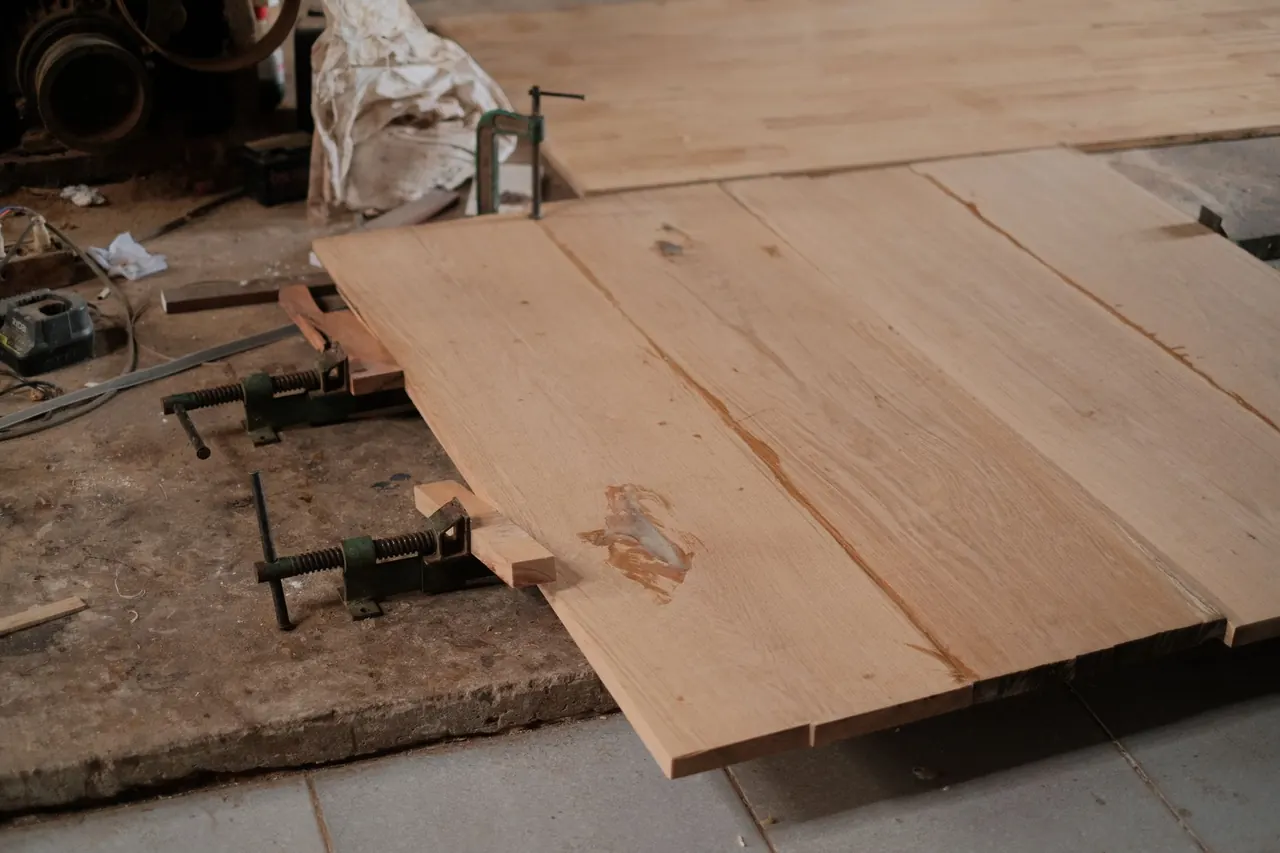
Sanding and finishing is one package, not a menu of add-ons. Here is what comes standard on an Abilene job, and what we quote separately when the floor needs it.
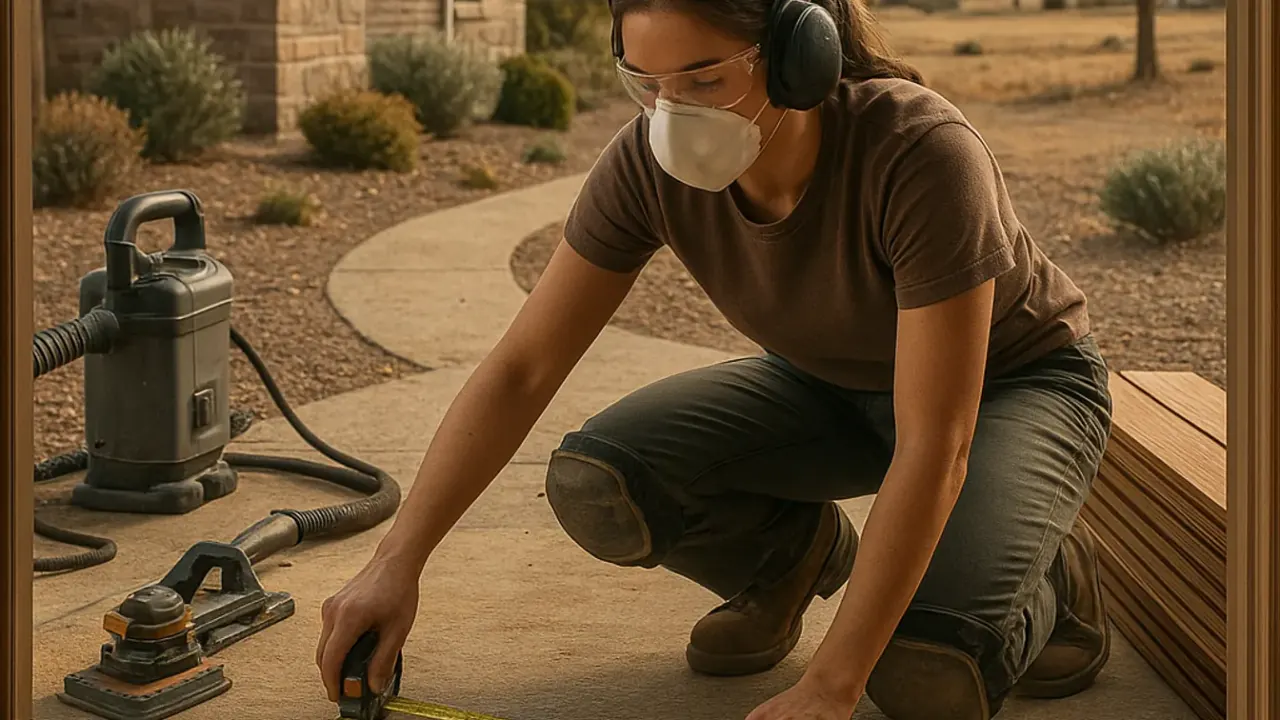
We sand floors in lived-in houses, working room by room so you keep at least one bathroom and a path to the kitchen. Furniture moves to one side, and we put it back when the finish is walkable.
We sand commercial floors on a schedule that keeps your doors open, working nights or weekends when the space is empty. You get a flat floor and a finish that stands up to daily traffic.
Hardwood Floor Sanding Abilene TX is the process of mechanically removing the old finish and a thin layer of wood to expose fresh grain, then sealing and coating it again. We start with a moisture meter to check the subfloor and planks, then run a drum floor sander with progressively finer grits, follow the edges with an edger sander, and scrape the corners by hand. After that comes wood floor filler in the gaps, a coat of sealer, and two or three coats of finish.
Most Abilene homes we sand were built between the 1950s and 1980s, and plenty of them have solid red oak or white oak planks under old carpet and vinyl. West Texas air is dry, so floors here cup and gap more than they do near the coast, and that shows up the moment you pull the carpet back. If you have been searching floor sanding and refinishing near me, the fix is almost always sanding and refinishing old hardwood floors Abilene homeowners have lived on for years, not a full tear-out.
We sand flat, fill after, and finish to last through West Texas seasons.
Every job follows the same order: inspect, protect, sand, fill, finish. Here is what you see from the day we walk in to the day you move the furniture back.
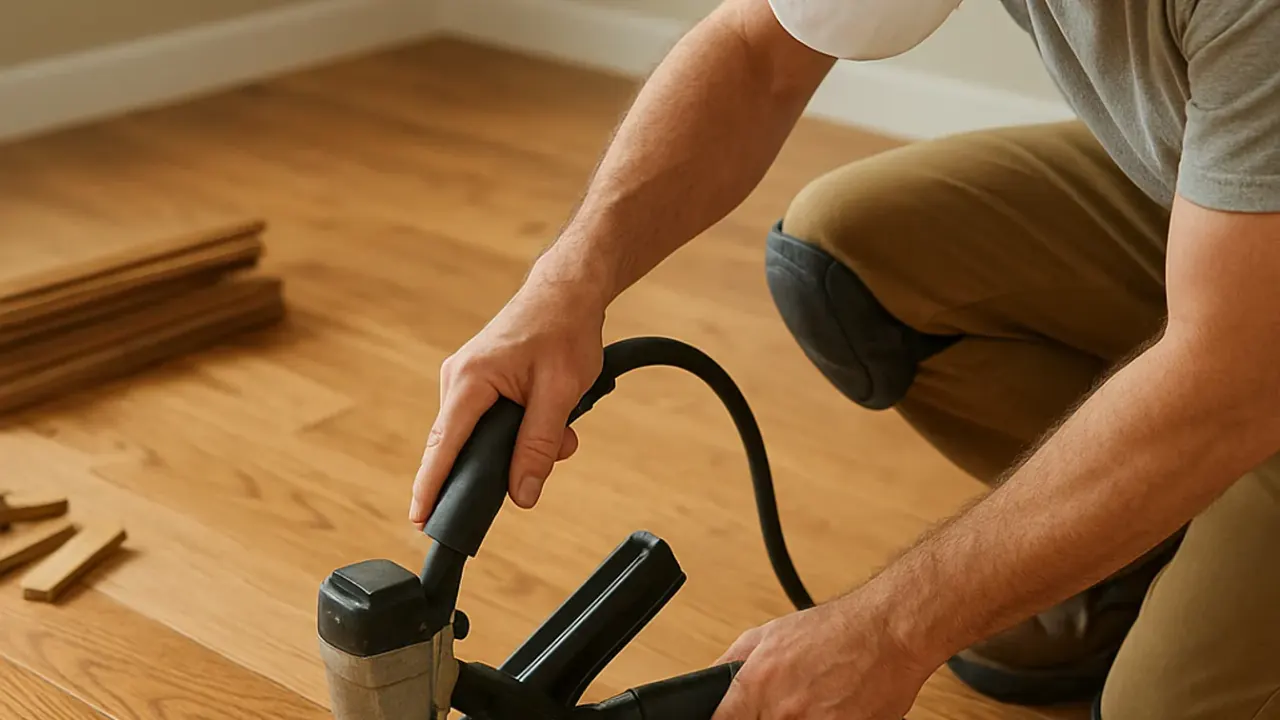
We check moisture content with a moisture meter, look for popping nails, loose or buckling boards, and soft spots in the plywood subfloor. You get a written scope with the square footage and the finish you picked. This visit takes about 45 minutes.
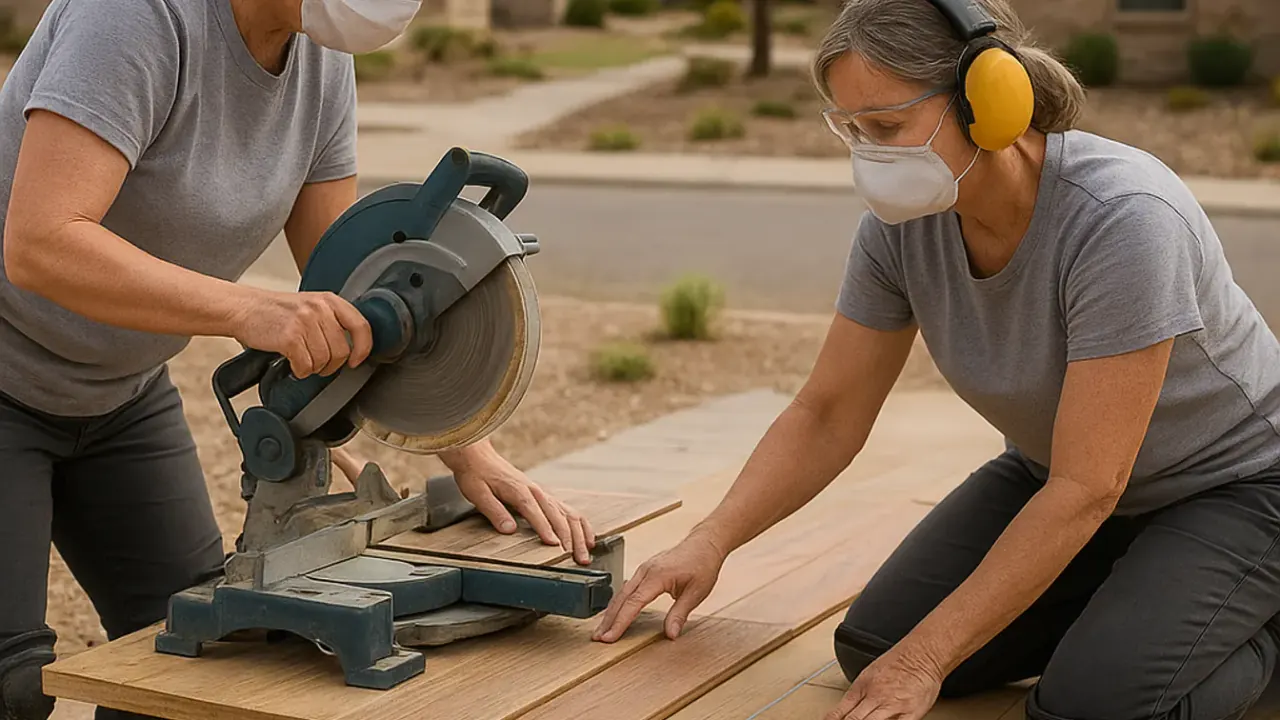
We tape plastic over doorways and vents and lay drop cloths on the paths we use. Baseboards and transition strips come off where they need to, and we label them so they go back in the same spot. Setup runs one to two hours.
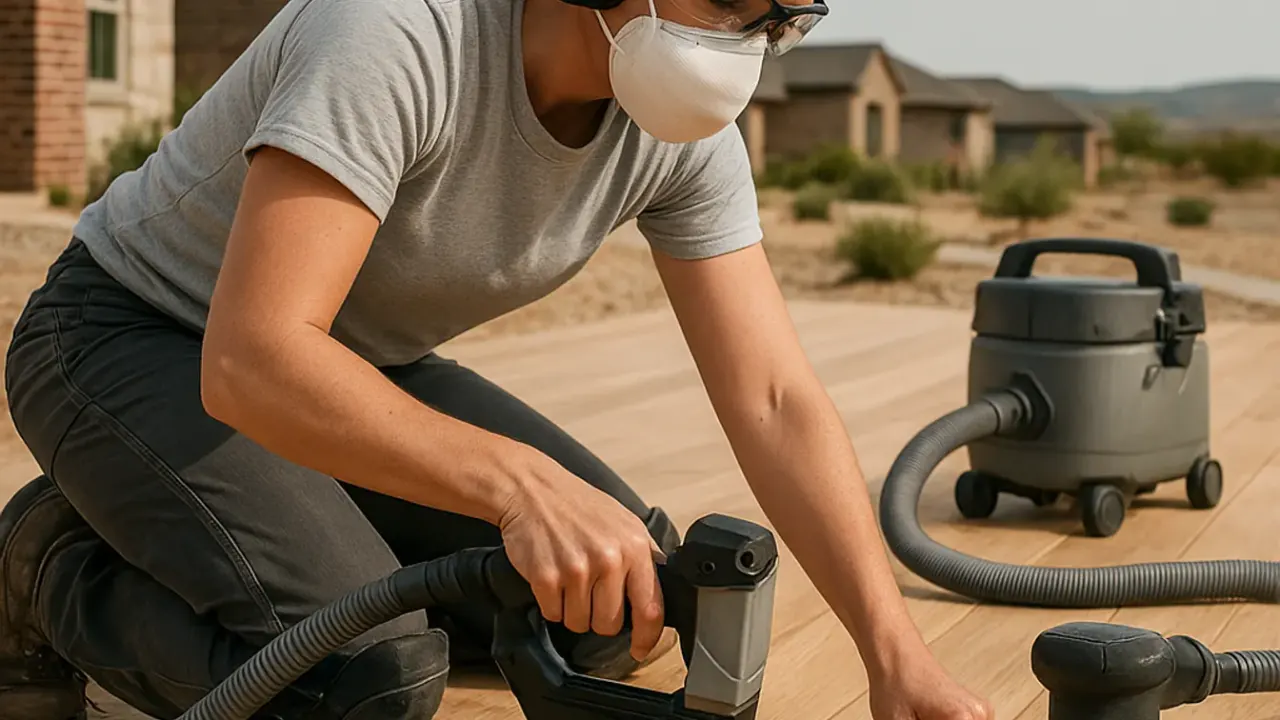
A drum floor sander makes the first coarse cut, then we step up through finer grits. The edger sander gets along walls and in closets, and an oscillating multi-tool handles corners the edger cannot reach. A 1,200 square foot floor takes two to three days of sanding.
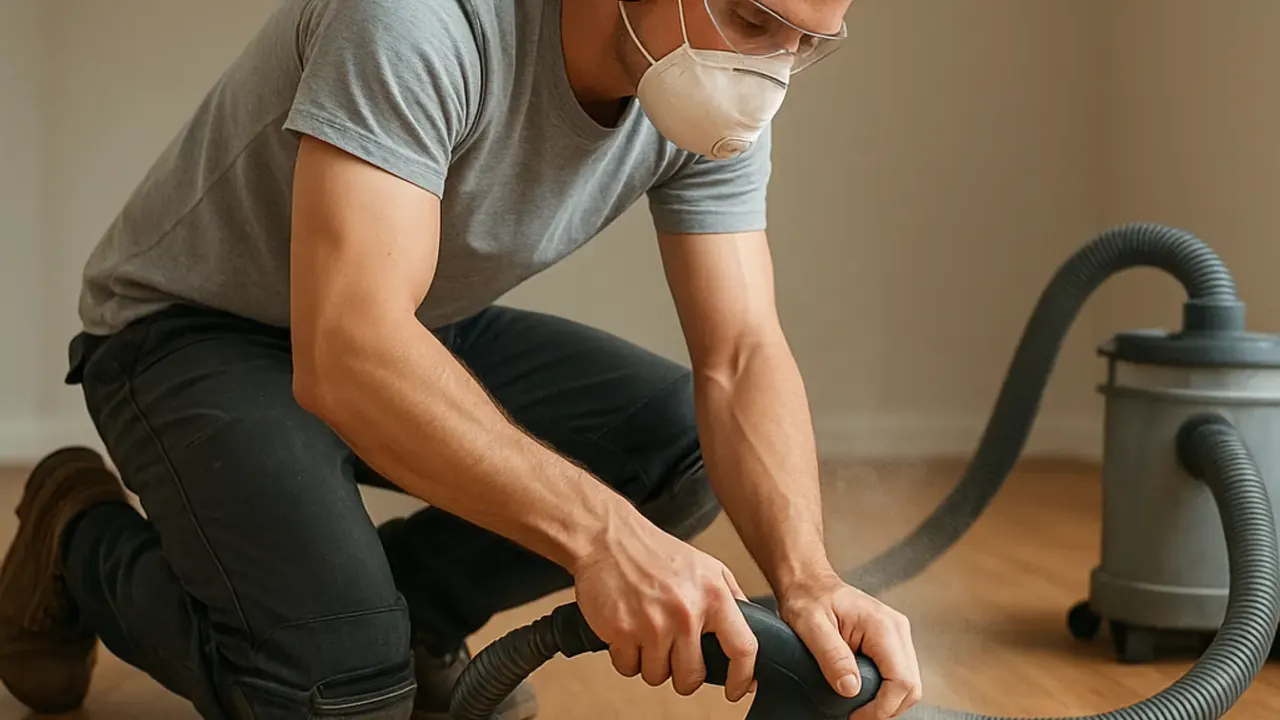
We trowel wood floor filler into the gaps between boards and any nail holes, then screen the whole floor. Gaps move with the seasons in Abilene, so we fill after sanding, not before. This step takes half a day.
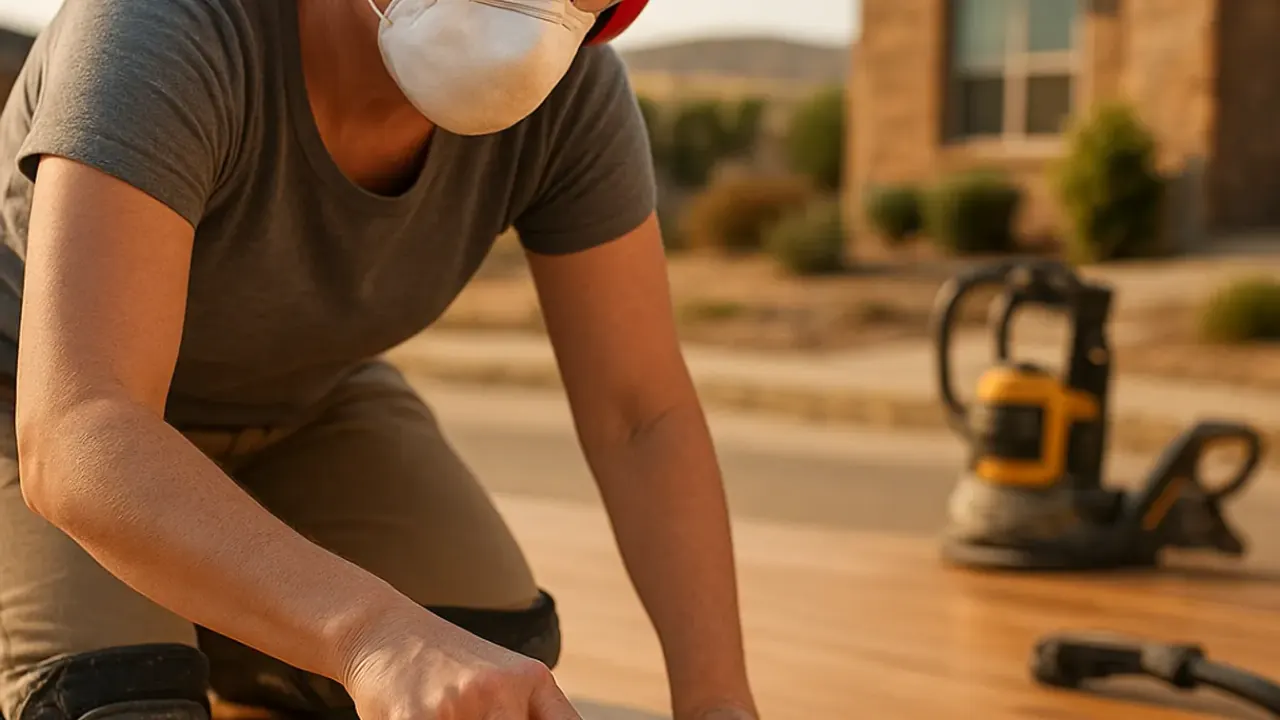
One coat of sealer, then two coats of water-based polyurethane finish or oil-based polyurethane finish, with a screen and buff between coats. You can walk on water-based in about 24 hours and move furniture back at 48. Full cure takes a week.
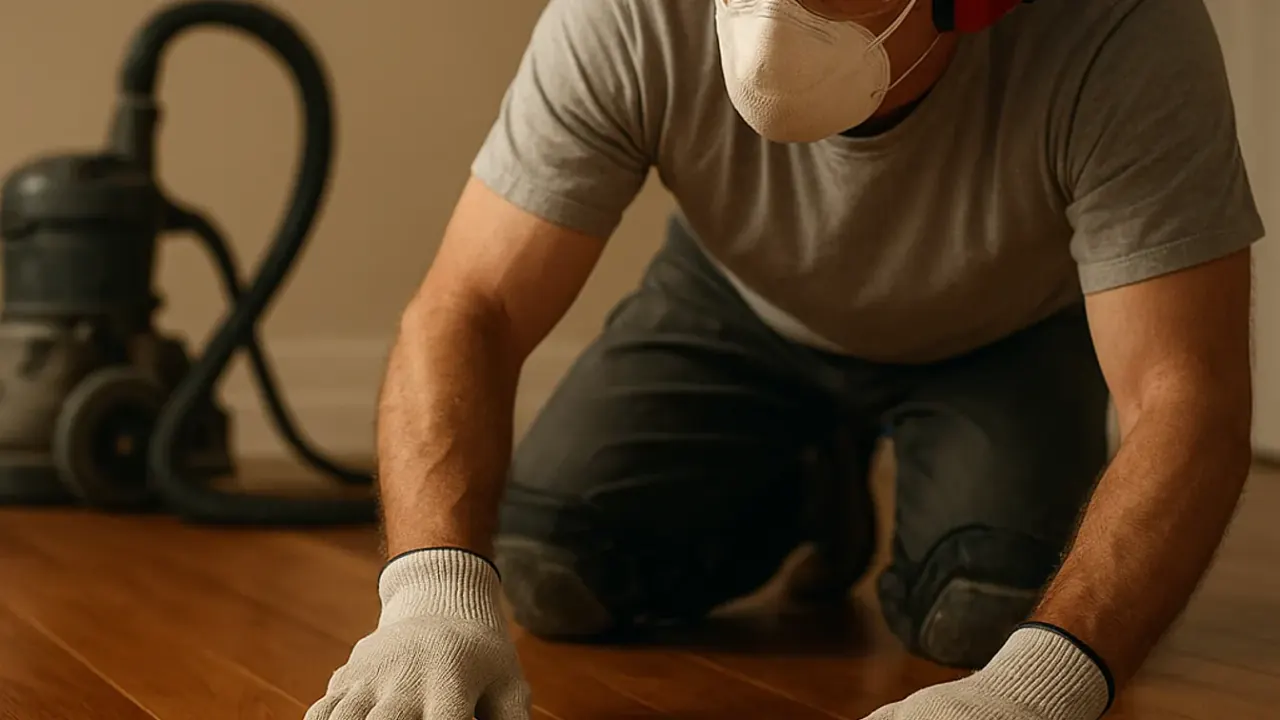
Makes the main cut across the field of the floor, stepping through grits from coarse to fine.
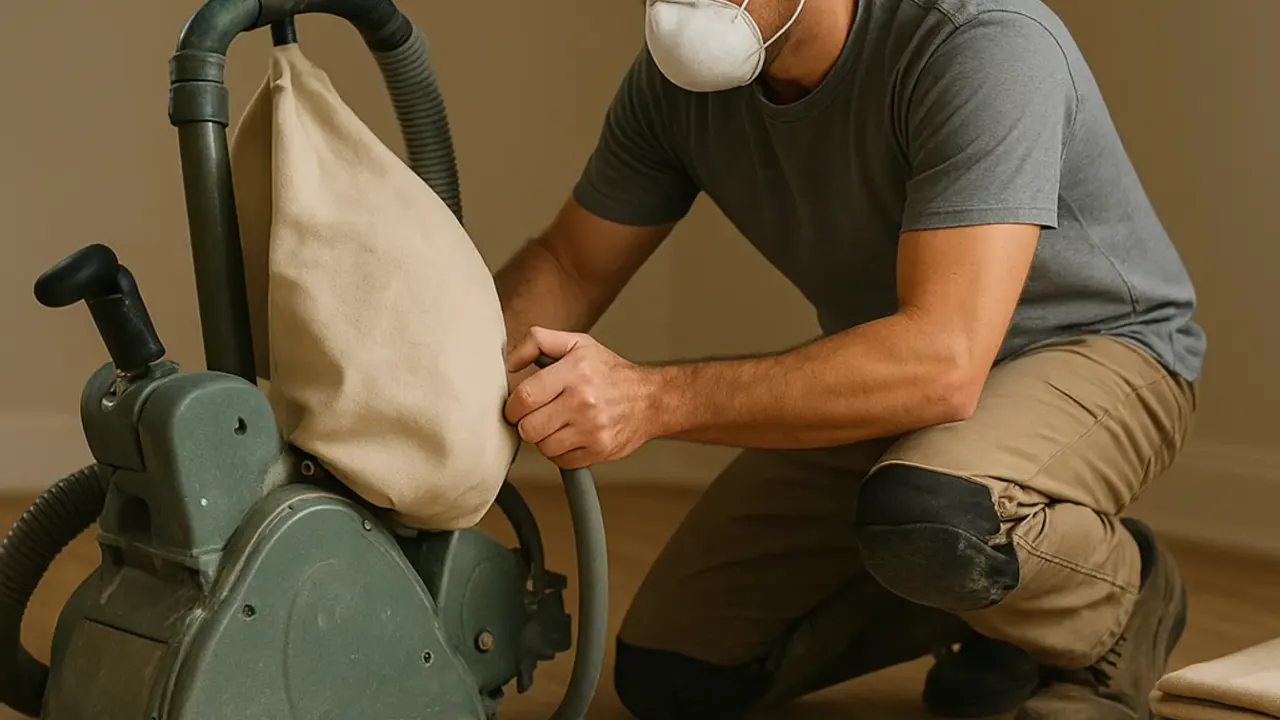
Smooths and screens between coats, and handles floors where a drum cut would be too aggressive.
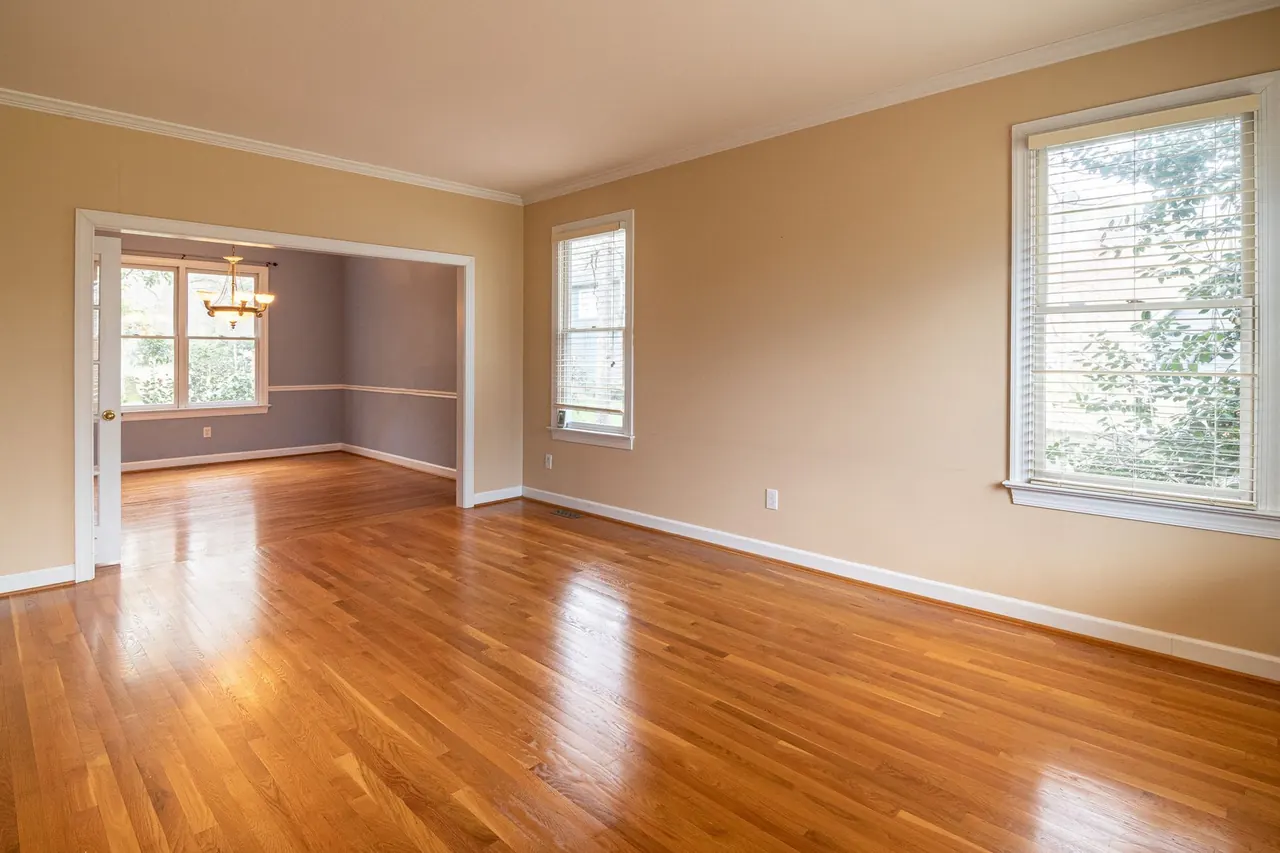
Gets the last few inches along walls, in closets and around doorways where the drum cannot reach.
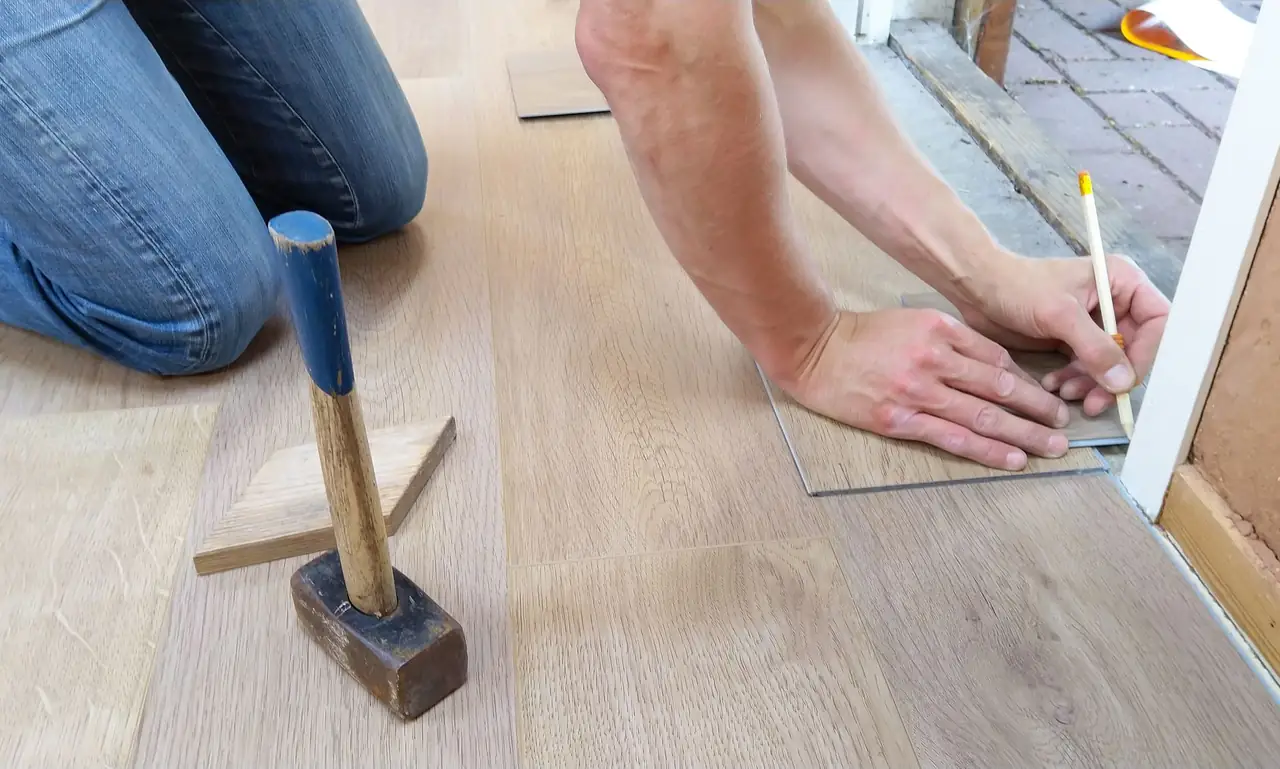
Attached to the sanders to capture dust at the machine instead of letting it settle through the house.
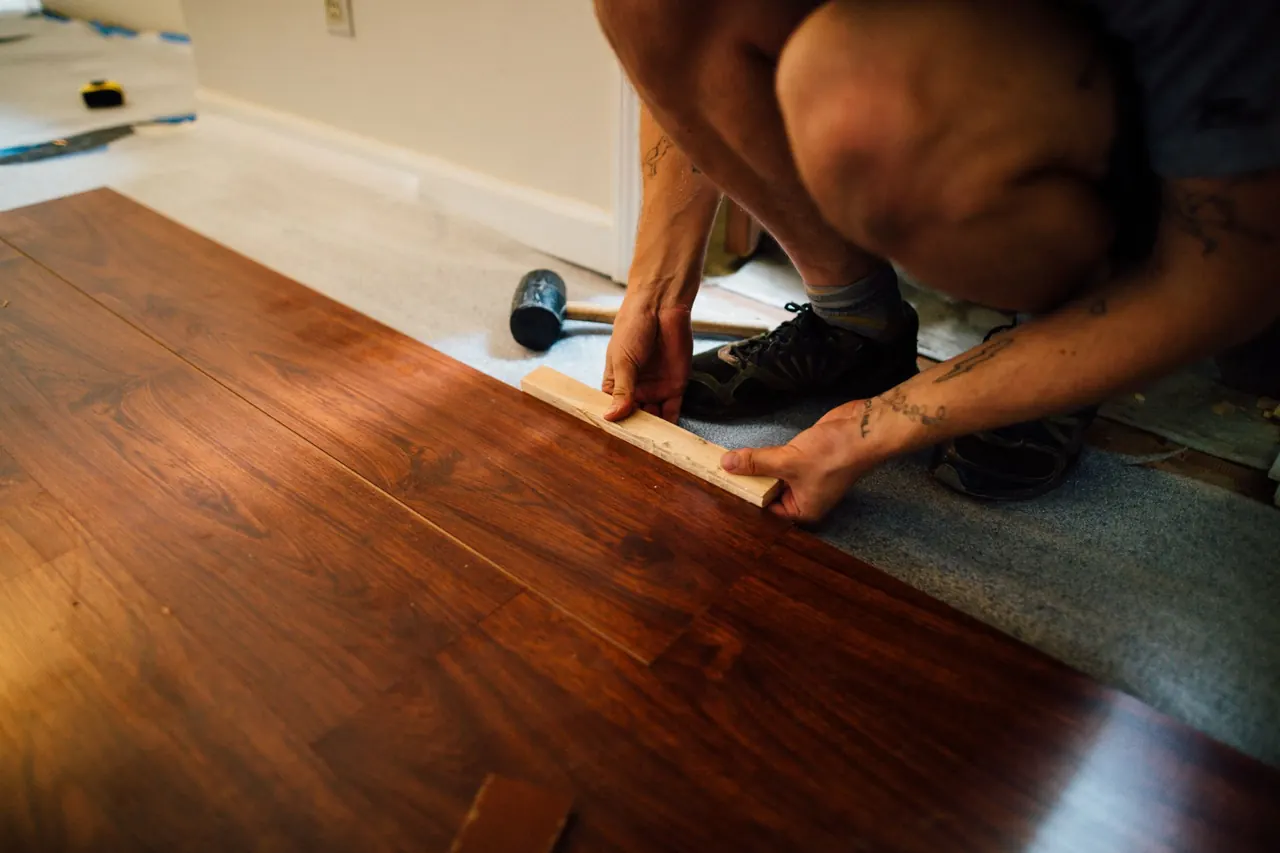
Reads moisture content in the planks and subfloor before sanding, so we do not seal in a wet floor.
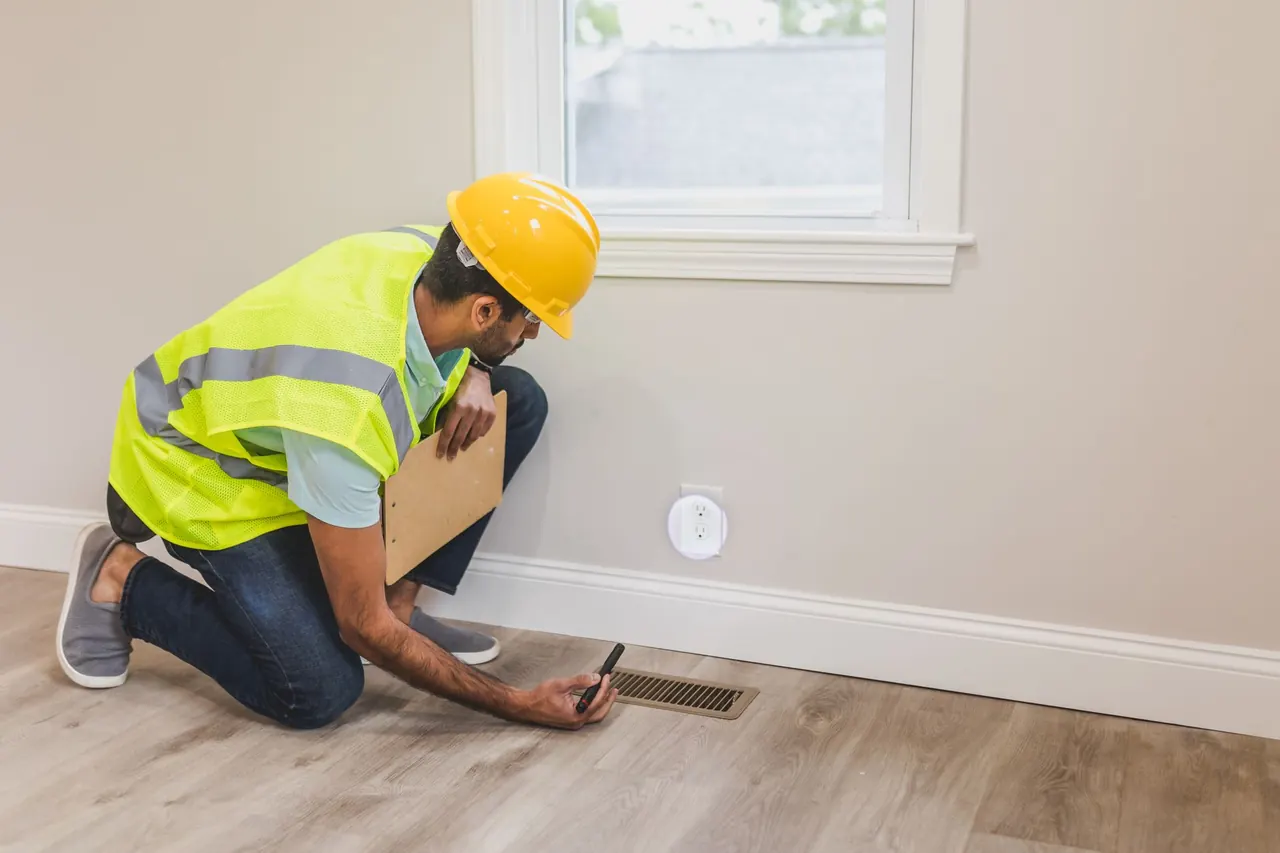
Buffs and screens between finish coats to knock down nibs and give the next coat something to bite.
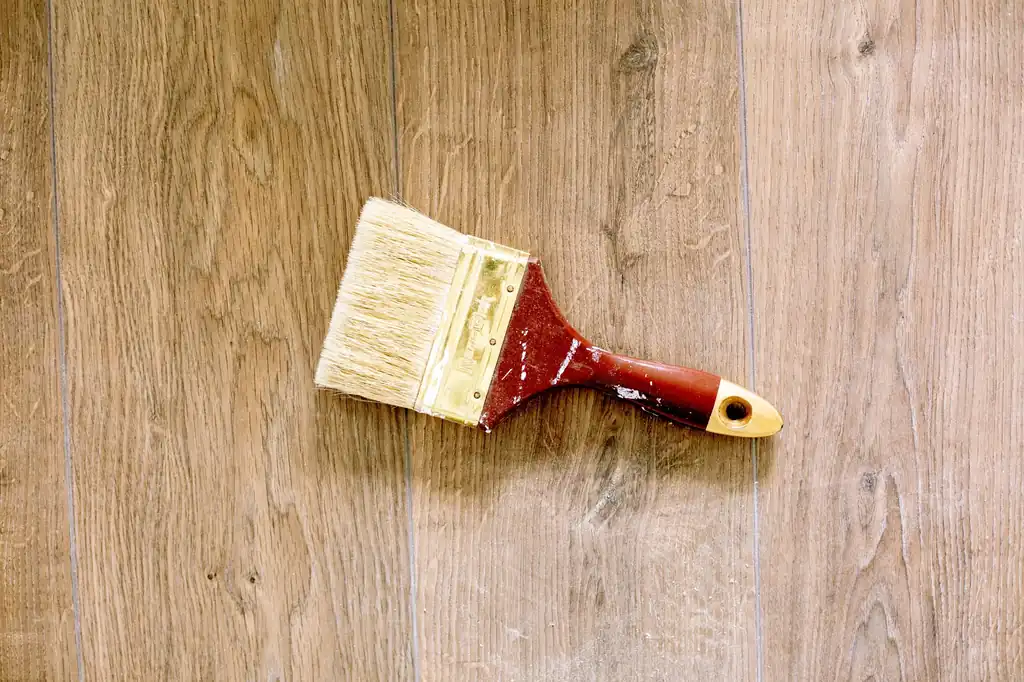
Reaches corners, stair nosings and tight spots the edger sander cannot get into.
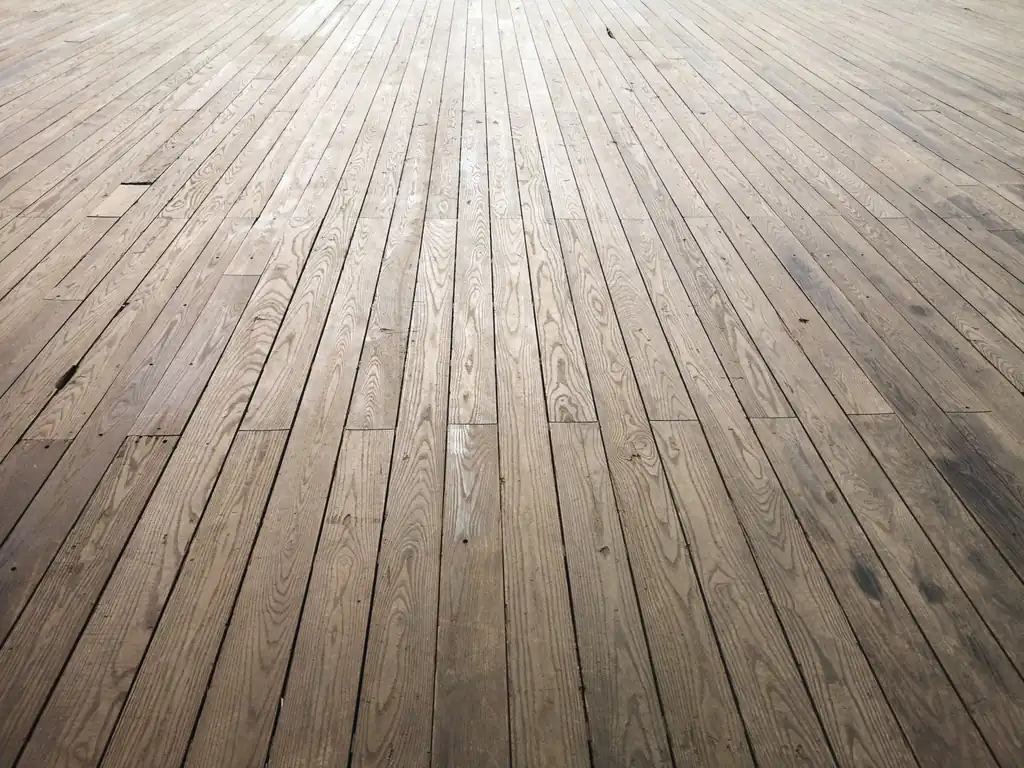
We follow the published NWFA grit progression and cut direction so the floor ends up flat, not wavy. Skipping grits is the fastest way to see sanding marks under a glossy finish.
We walk the floor, check moisture and board condition, and quote sanding versus replacement. Most solid oak under old carpet cleans up with one sanding and a fresh finish. You move in on a floor that looks original instead of paying for new flooring across the whole house.
We schedule tight, sand the high-traffic rooms, and use water-based finish so the floor is walkable in about 24 hours. Same day floor sanding Abilene scheduling is possible when the calendar allows. The unit shows well, the deposit dispute over floor condition goes away, and the next tenant moves in on time.
We dry the area, replace any rotted subfloor and bad planks, then sand the whole room so the repair disappears. Blending new boards into an old floor is a stain and sanding job. The floor is flat and even again, and the water damage is not a permanent dark patch in the middle of the room.
Sanding hardwood floors before staining Abilene TX projects let us take the floor to bare wood and apply the stain you actually want, from a light natural to a deep walnut. The room reads the way you pictured it, and the stain is protected under two coats of finish.
Abilene sits in a dry, windy part of West Texas, and that shapes how we sand floors here. Indoor humidity swings hard between summer and winter, so planks shrink in January and swell after a wet spring. We check moisture content on every job and will tell you to wait if the reading is high, because sanding a swollen floor just means gaps open up two months later. Building stock matters too. Original Town North and Original Town South are full of 1920s to 1950s homes with solid red oak and longleaf pine, often under three layers of old flooring. Dyess Area rentals and the newer builds out near Westwood Richland tend to have engineered hardwood planks with thinner wear layers, so we sand lighter and recoat rather than cut deep. If you have been looking for sanding and refinishing old hardwood floors Abilene projects, that mix is exactly what we work with every week.
Three bedrooms and a hallway in Original Town South had carpet stapled down since the 1970s. The oak underneath was grey, covered in staple holes and old adhesive, with a dark pet stain in the back bedroom.
We sanded 620 square feet, filled the staple holes and gaps, treated the stain, and finished with a natural water-based polyurethane. The floor came back light and even, and the stain is gone.
Felt pads on furniture, a dry microfiber mop weekly, and no wet mopping. Recoat with a screen and buff in seven to ten years depending on traffic.
A slow fridge leak cupped about 180 square feet of oak in a home near Cobb Park Area. The edges of the boards were raised, gaps had opened, and the finish was peeling along the water line.
We dried the area for two weeks, replaced four saturated boards, sanded the whole kitchen flat, and recoated. The repair blends in, and the floor reads flat underfoot and under the cabinet lighting.
Check the fridge line and ice maker annually. Keep indoor humidity steady in winter and wipe spills up the same day.
A 2,400 square foot maple floor in a Sayles Blvd Area fellowship hall had worn through the finish in the traffic lanes. The surface was scratched, dull, and showed dark paths from the doors to the stage.
We sanded the full hall, filled gaps, and applied a commercial-grade water-based finish. The color is consistent wall to wall, and the floor was back in service in five days without disrupting the Sunday schedule.
Dust mop daily in high-traffic lanes, use walk-off mats at the doors, and schedule a screen and recoat every three to five years.
Sanding solves more than a dull finish. Here are the calls we get most in Abilene and what happens if you let them sit.
We find the moisture source, let the floor dry to a safe reading on the moisture meter, then sand the high edges down level. If a board is too far gone, we replace it and blend the patch into the field before finishing. Planks curl at the edges, gaps open, and the surface never sits flat. Left alone, the boards crack and the subfloor stays wet.
We sand past the stain, treat the remaining discoloration with wood bleach, and seal the plank before the topcoats go on. Boards that are saturated through get cut out and replaced with matching stock. Urine soaks past the finish into the grain. The stain darkens over time, and the smell comes back every humid day until the wood is treated.
A full sand and recoat takes the floor back to bare wood and builds a new finish system. Two or three coats of polyurethane put a fresh wear layer between your family and the grain. Once the finish wears through to bare wood, the floor soaks up spills and greys out. Traffic paths turn dark and the whole room looks tired.
We set or replace popping nails during prep and add flooring cleats and staples where boards have lifted. Squeaks get fixed before the finish goes down, because you cannot get back under the floor afterward. Nails work loose as the floor moves, and every step announces it. The squeak is usually the sign of a fastener that has lost its grip.
A drum floor sander takes off the scratched, foggy surface and reveals the grain that was there when the house was built. On solid red oak planks you usually have two or three sandings of thickness to work with, so the floor can be brought back more than once over its life.
Hardwood floor sanding for pet stains Abilene homes deal with is one of our most common calls. We sand past the dark stain, treat what is left with a wood bleach if needed, and seal the plank so the smell does not come back through the finish. Badly saturated boards get replaced and blended in.
Cupping from moisture and crowning both flatten out once the high spots are cut down and the floor is sanded level. We check moisture content first, because sanding a wet floor just locks the problem in. Once it is dry and flat, the finish goes on evenly.
Dustless floor sanding Abilene customers ask for is standard on our trucks. An industrial floor vacuum runs on the sander and the edger, and we tape off doorways and vents. You still get a fine haze on the baseboards, but your kitchen cabinets and closets stay usable.
Clear records you can keep and share.
Square footage, finish and stain in one page.
Approved on your own wood before we run it.
Plank and subfloor numbers before sanding starts.
Sanding removes a thin layer of wood, so the floor gets one step thinner every time it is done. Most solid floors can take two or three sandings over their life.
Abilene floors shrink in winter and swell after a wet spring. We fill after sanding so the filler does not crack out in January.
Engineered planks with a thin veneer cannot take a deep cut. We check the edge of a board before quoting a sand and recoat.
Water-based stays clear and dries fast. Oil-based amberizes the wood and cures harder, which changes the color you end up with.
Outside these areas? Call and ask, we may still get to you. (325) 532-0708
Typical 2026 pricing in Abilene runs $1.50 to $3.50 per square foot for sanding and finishing, so a 1,000 square foot floor lands between $1,500 and $3,500. Stain, water-based finish upgrades, and board replacement add to that. Pet-stain treatment and heavy repair push it toward the top of the range.
Yes. We run an industrial floor vacuum on the drum floor sander and the edger sander, and we seal doorways and vents with plastic before we start. You will still see a light film on baseboards, but the fine dust that coats a whole house is captured at the machine. Most customers stay home during the work.
Usually yes, if the wear layer is thick enough. Engineered hardwood planks with a 2mm or thicker veneer can take a light sand and recoat, but thin 1mm wear layers cannot. We check the edge of a plank or a floor vent cutout first and tell you straight whether it will survive sanding.
A single room takes two to three days. A whole house of 1,200 to 1,800 square feet runs four to six days including dry time between coats. Water-based polyurethane lets you walk on the floor in about 24 hours, and you can move furniture back after 48. Full cure takes about a week.
We measure the floor, check moisture, and give you a written number the same day. Call (325) 532-0708 and we will get you on the schedule before the holiday rush fills it.
Call us at (325) 532-0708 or send an email and we will get back to you the same business day. We schedule estimates Monday through Friday, and we can usually get to most Abilene addresses within a few days. Tell us the rooms, the square footage if you know it, and what the floor is doing.