Written scope
Room-by-room square footage and line items
Hardwood Floor Installation Cost Abilene TX runs $6 to $12 per square foot installed for most homes, depending on species, subfloor condition, and finish. We measure your rooms, check the subfloor with a moisture meter, and hand you a written number the same day. Whether you are replacing carpet in a 1960s Elmwood ranch or upgrading a new build near Dyess, you get hardwood flooring prices Abilene TX homeowners can actually compare.
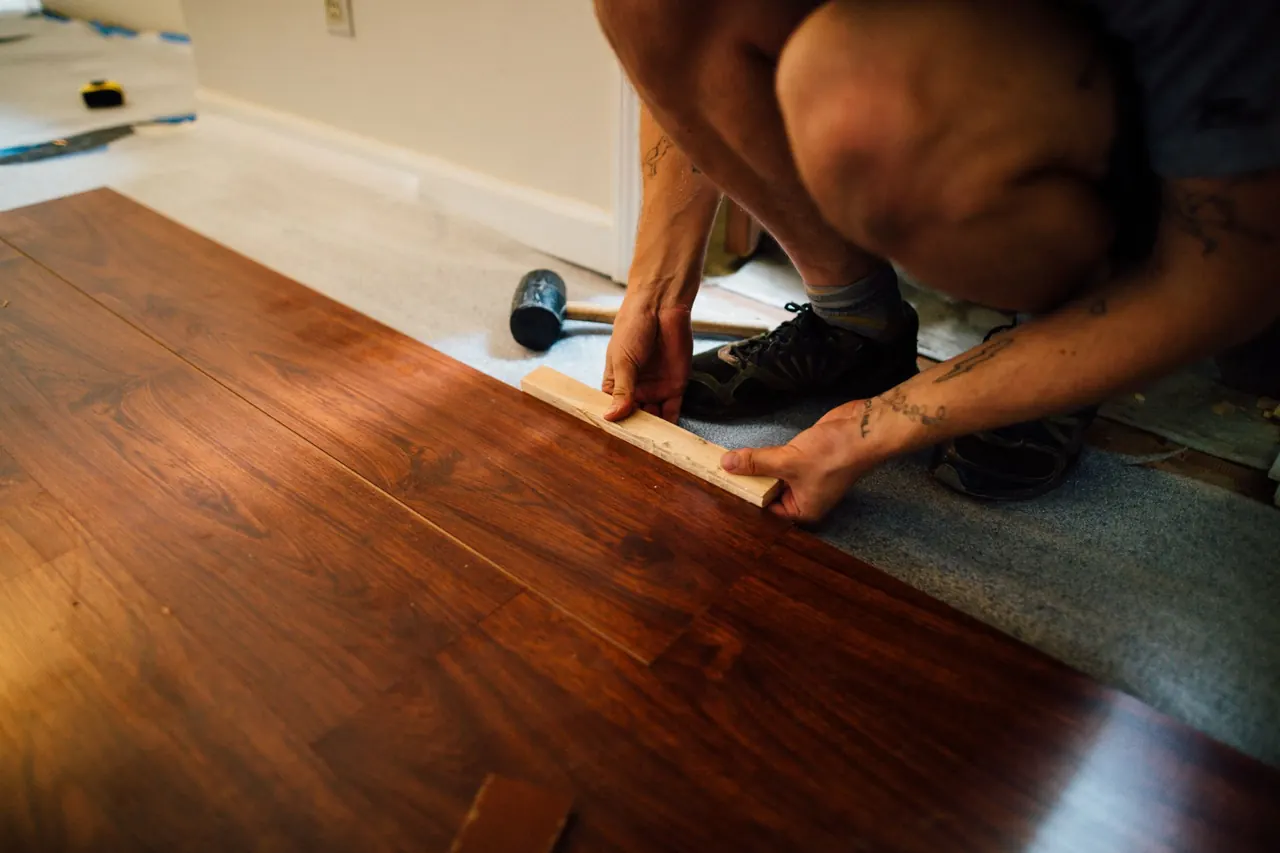
Every quote we write covers the full job, not just the fun part. Here is what is in the number, and what would be a separate line if your home needs it. We tell you up front so nothing shows up as a surprise on the final invoice.
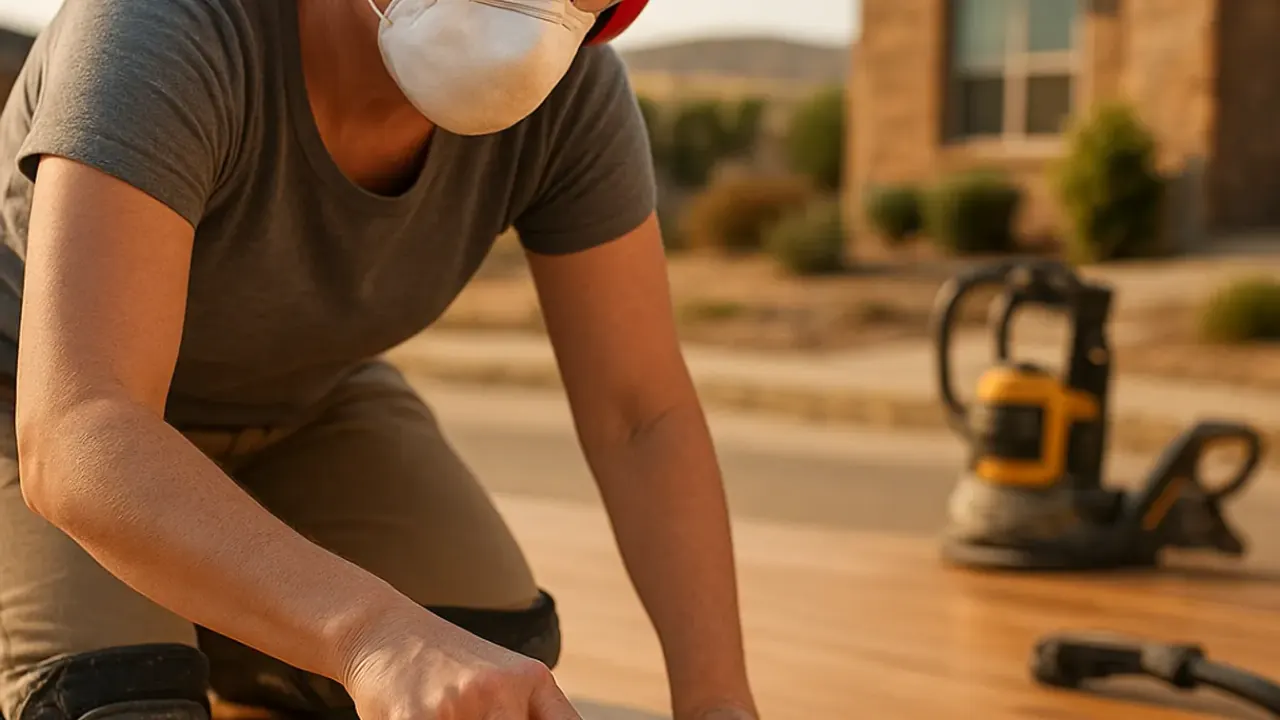
We install and finish hardwood in houses, duplexes, and rental units across Abilene. You get a written price per room before any furniture moves.
We floor offices, retail spaces, and rental properties on schedules that keep your doors open. Work is staged room by room so you keep operating.
Hardwood Floor Installation Cost Abilene TX is the total price to tear out old flooring, prep the subfloor, and nail down or glue down new wood planks, finished and ready to walk on. That number includes materials, labor, underlayment or vapor barrier, fasteners, and the finish coats. It is not just the box price at the lumber yard. On a typical 1,000 square foot job, labor alone runs $3 to $6 per square foot, and the wood itself adds another $3 to $8 depending on whether you pick solid red oak planks or a premium hickory.
Abilene sits on clay-heavy soil that swells and shrinks with every wet and dry spell, and that movement telegraphs straight into your floors. We see cupping from moisture in older homes near Sayles Blvd and gaps between boards in Westwood Richland after a dry summer. Because of that, our estimates always include a moisture meter reading on the slab or crawlspace before we quote. If you have been searching how much does wood flooring cost near me, the honest answer here depends on your subfloor, not just your square footage.
We measure the room and the moisture before we quote a single board.
We run every job the same way: measure, prep, install, finish, walk through. No surprises, no mystery line items. Here is what happens from the first phone call to the day you move the furniture back.
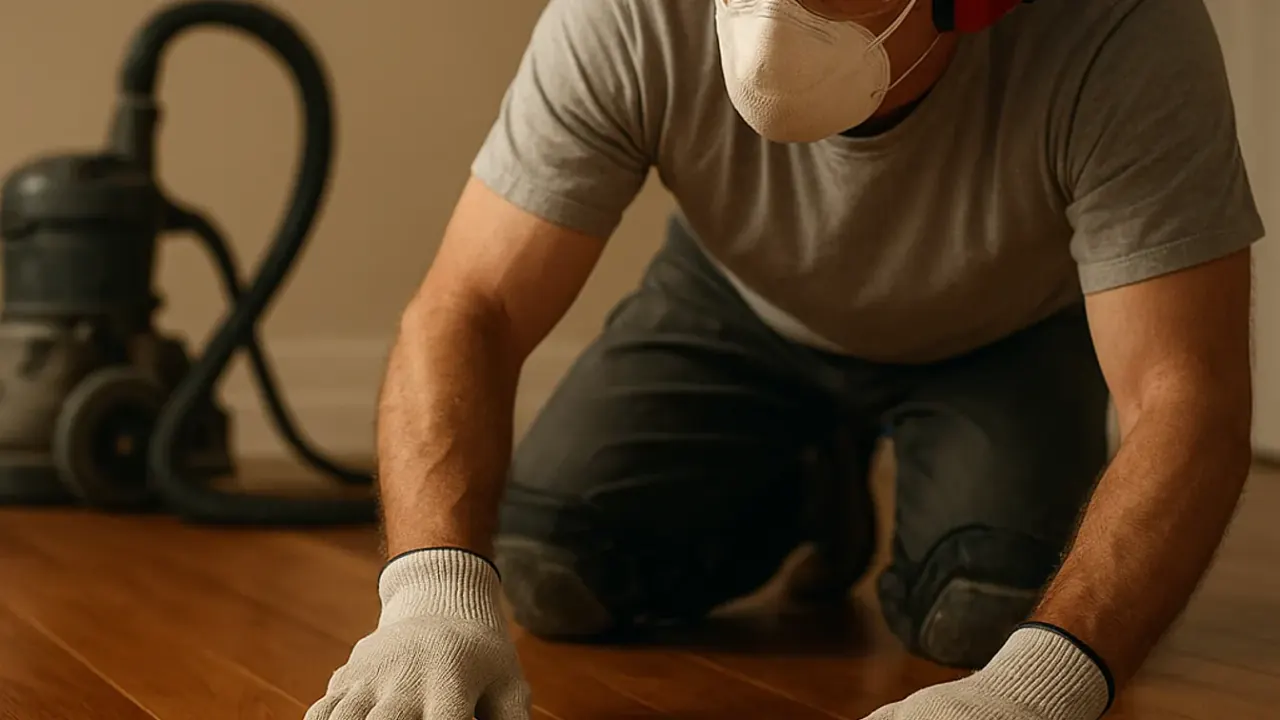
We come out, measure every room, and check the subfloor with a moisture meter. You get a written hardwood floor installation estimates Abilene number that breaks out materials, labor, and finish. Most quotes take 45 minutes on site, and you have the number the same day. No pressure, no follow-up sales calls.
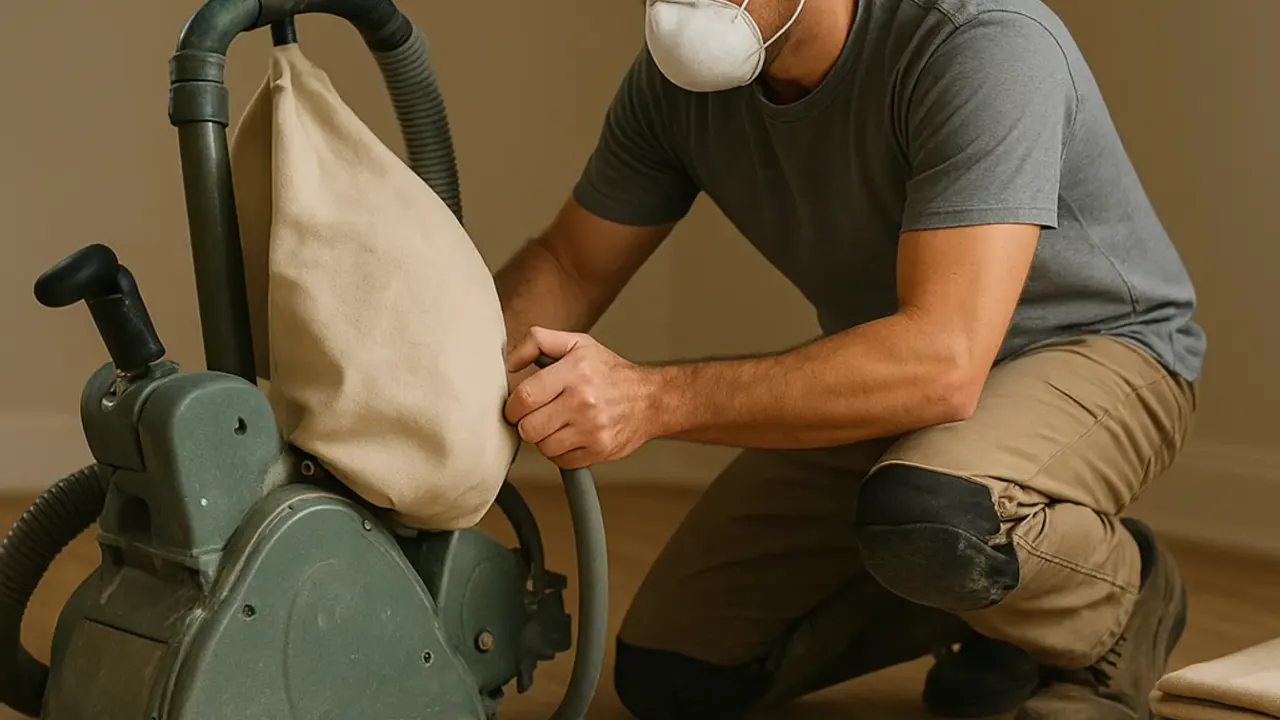
We pull old carpet, tile, or laminate and haul it off. Then we inspect the plywood subfloor for soft spots, popping nails, and squeaks. We scrape off old adhesive with a pry bar and floor scraper, screw down loose panels, and level low spots. This stage usually takes one to two days depending on square footage.
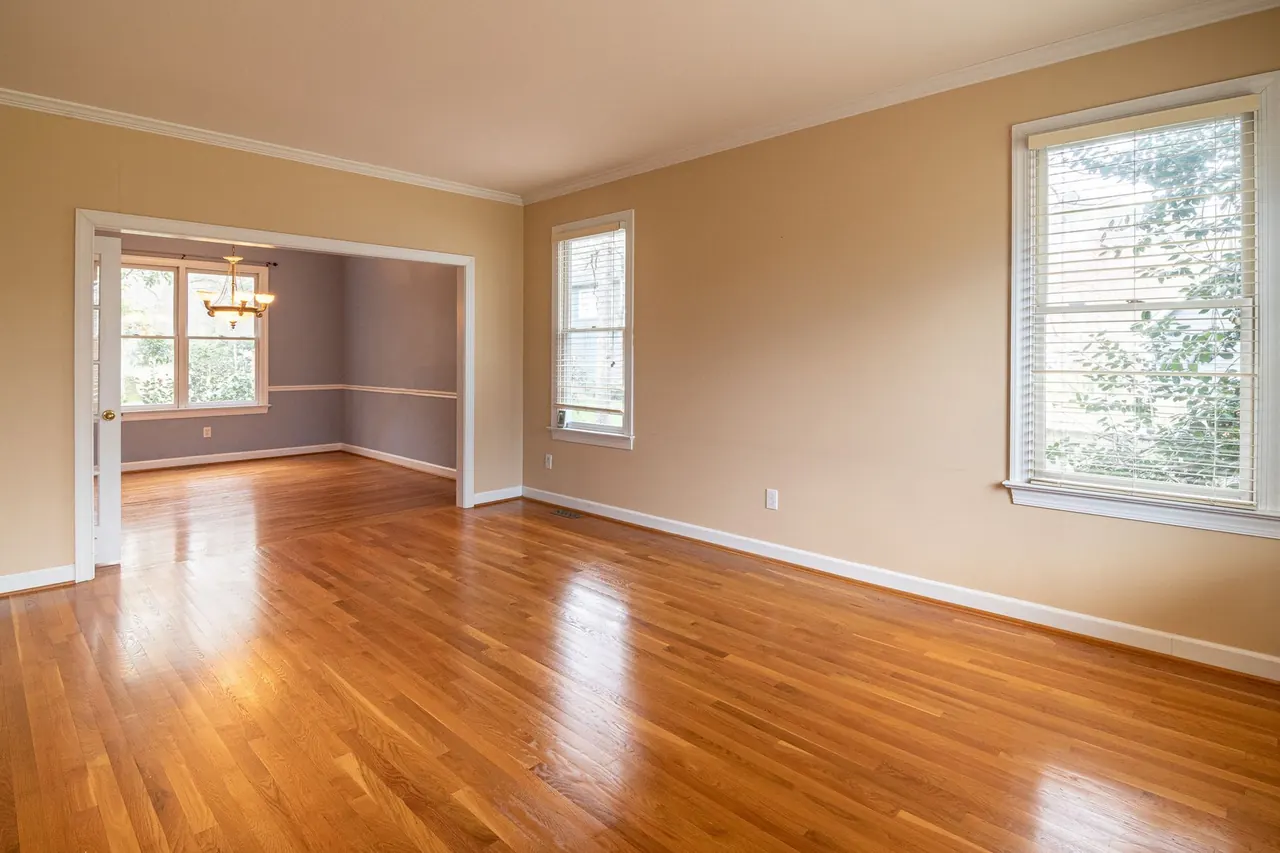
Wood needs to sit in your house before it goes down. We stack the planks in the rooms for 48 to 72 hours so they adjust to indoor humidity. Then we snap chalk lines and lay out the first rows square to the longest wall, checking for a consistent reveal at doorways and transitions.
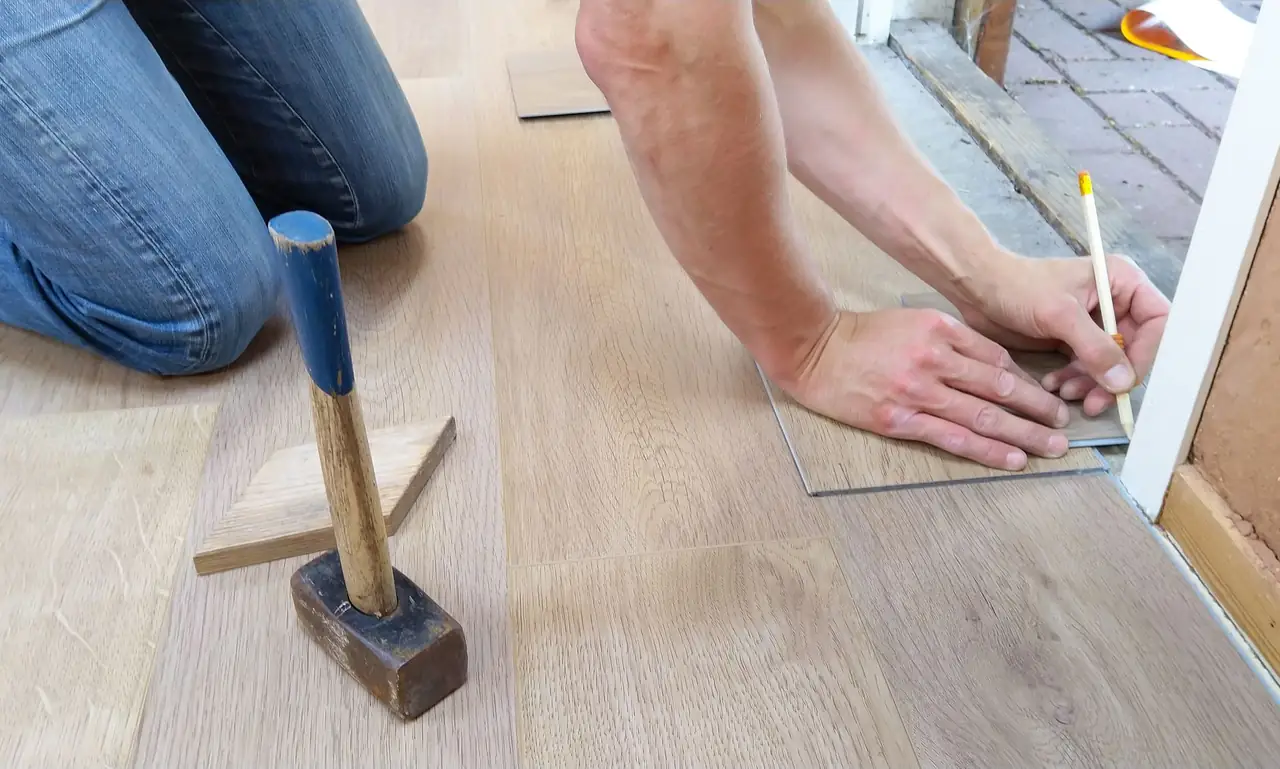
For solid wood we use a pneumatic flooring stapler or cleat nailer, setting fasteners every 6 to 8 inches. Engineered planks get glued or floated over a vapor barrier. We use a tapping block to close joints tight and an edge trim router for clean cuts around door jambs and vents. A 1,000 square foot floor takes two to three days.
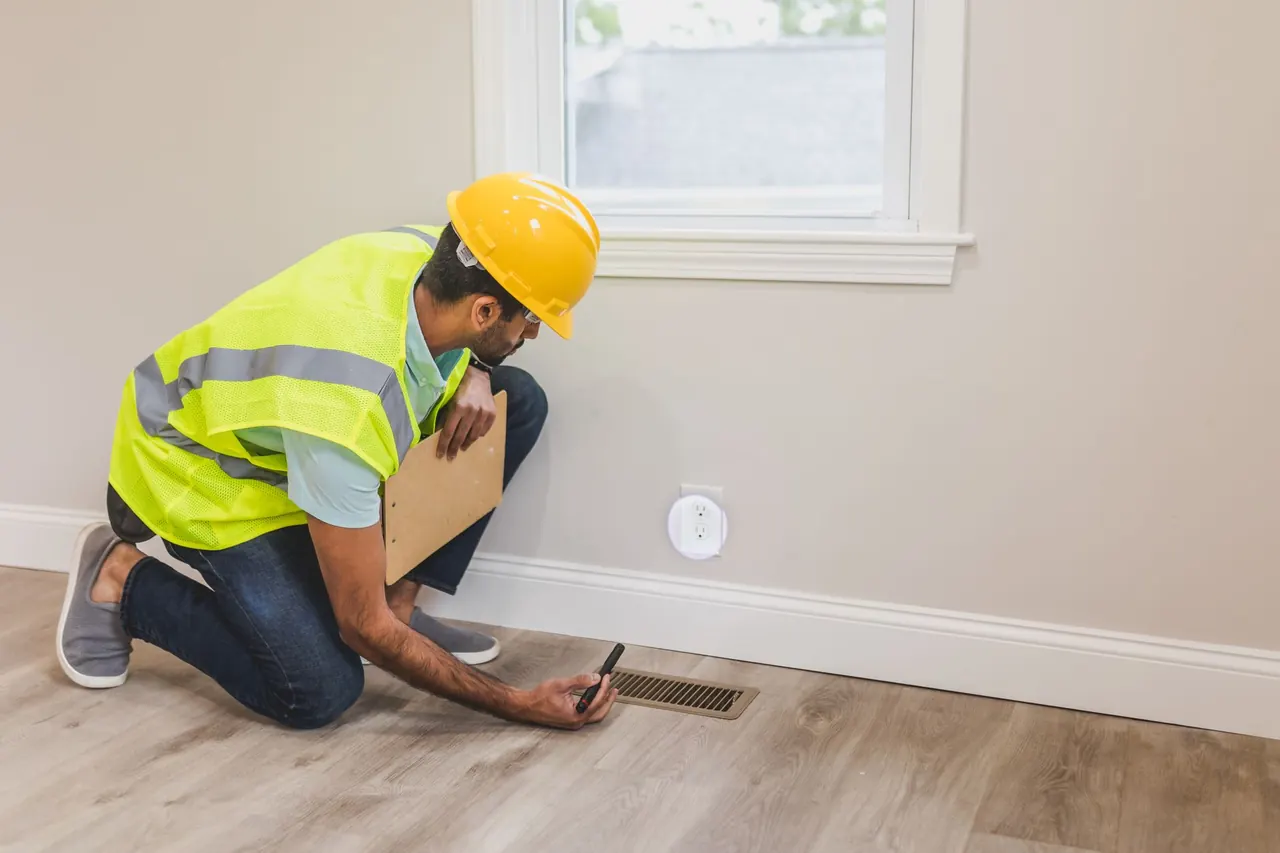
We fill gaps with wood floor filler, sand with a drum floor sander and orbital floor sander, then apply sealer and two to three coats of finish. Water-based polyurethane finish dries in about 4 hours; oil-based takes 12 to 24. We reinstall baseboards and transition strips, vacuum everything, and walk the floor with you.
Used to flatten and smooth solid wood before finishing. The drum sander handles the main field, and the orbital sander removes swirl marks and blends edges for an even surface.
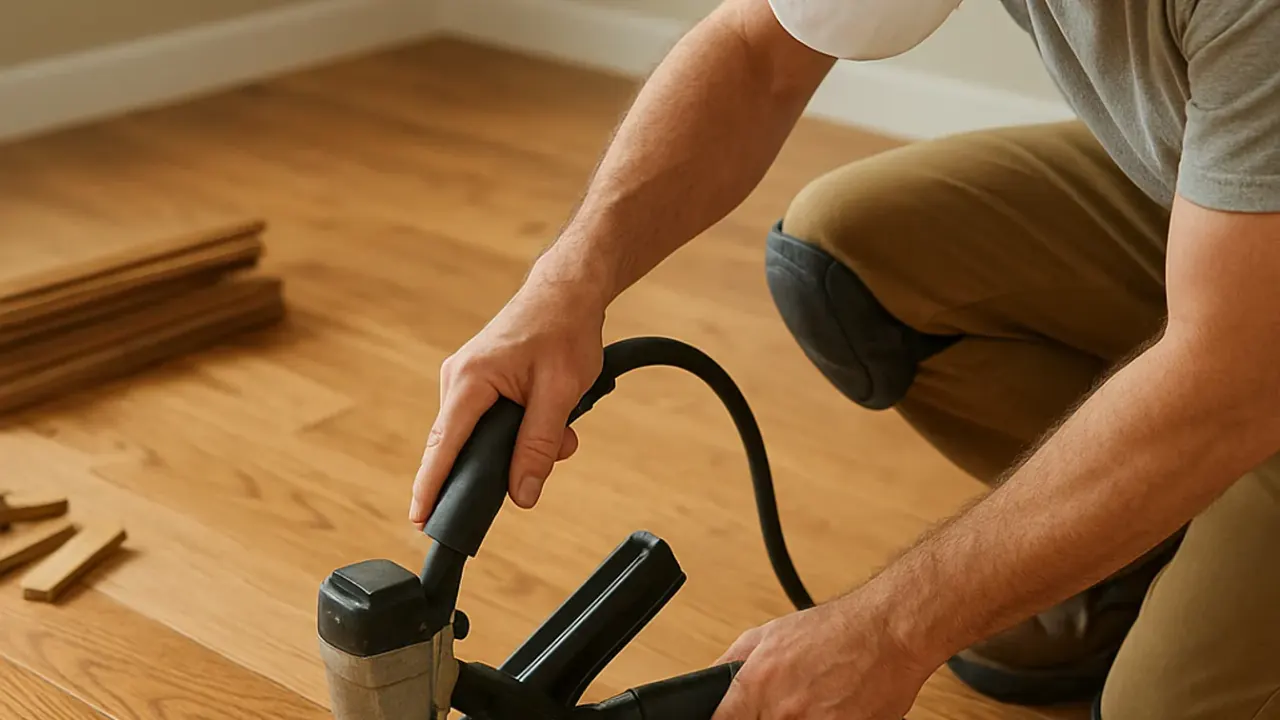
Powernail and Bostitch units drive flooring cleats and staples through the tongue at the correct angle. Proper fastening every 6 to 8 inches is what stops squeaks and keeps boards tight.
We read moisture content in the wood and the subfloor before installation. If the numbers are out of range, we adjust the plan or recommend engineered planks instead of solid wood.
The edger sander reaches along walls and into corners the drum cannot. The edge trim router cuts clean relief around door jambs so planks slide under instead of being notched.
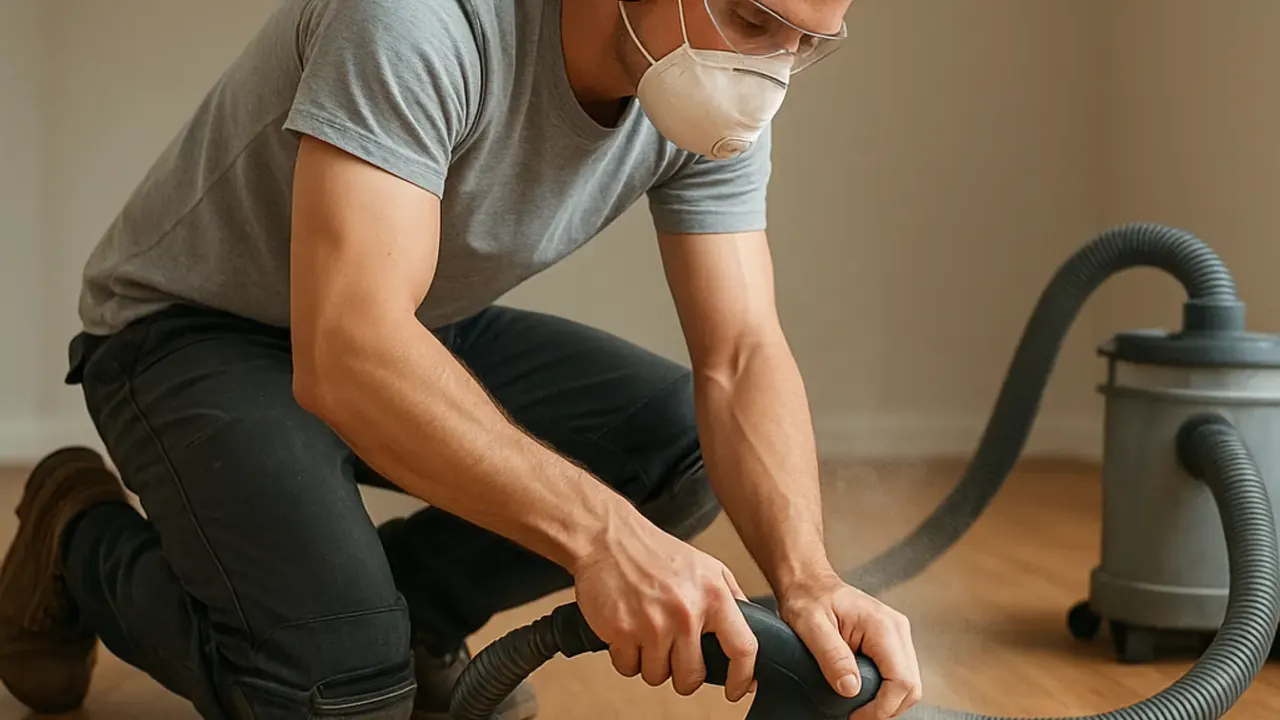
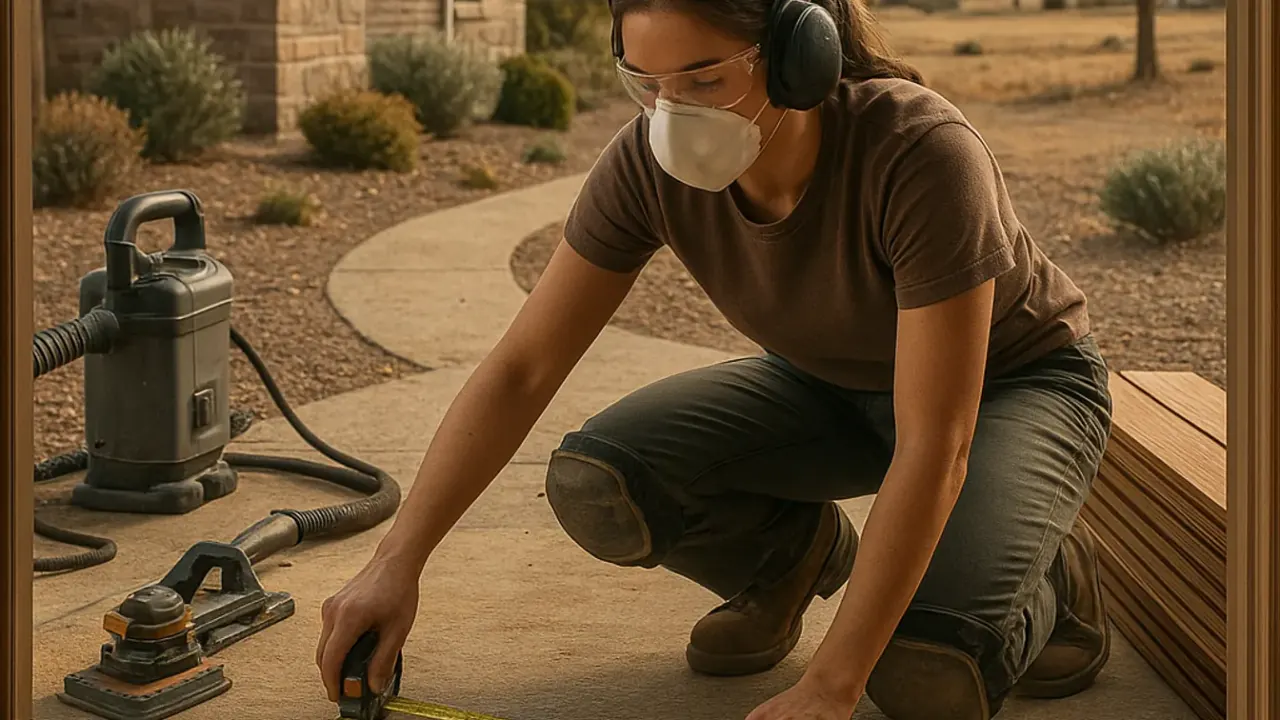
HEPA-filtered vacuums capture sanding dust at the source. The floor buffer works between finish coats to knock down nibs and leave a smooth final surface.
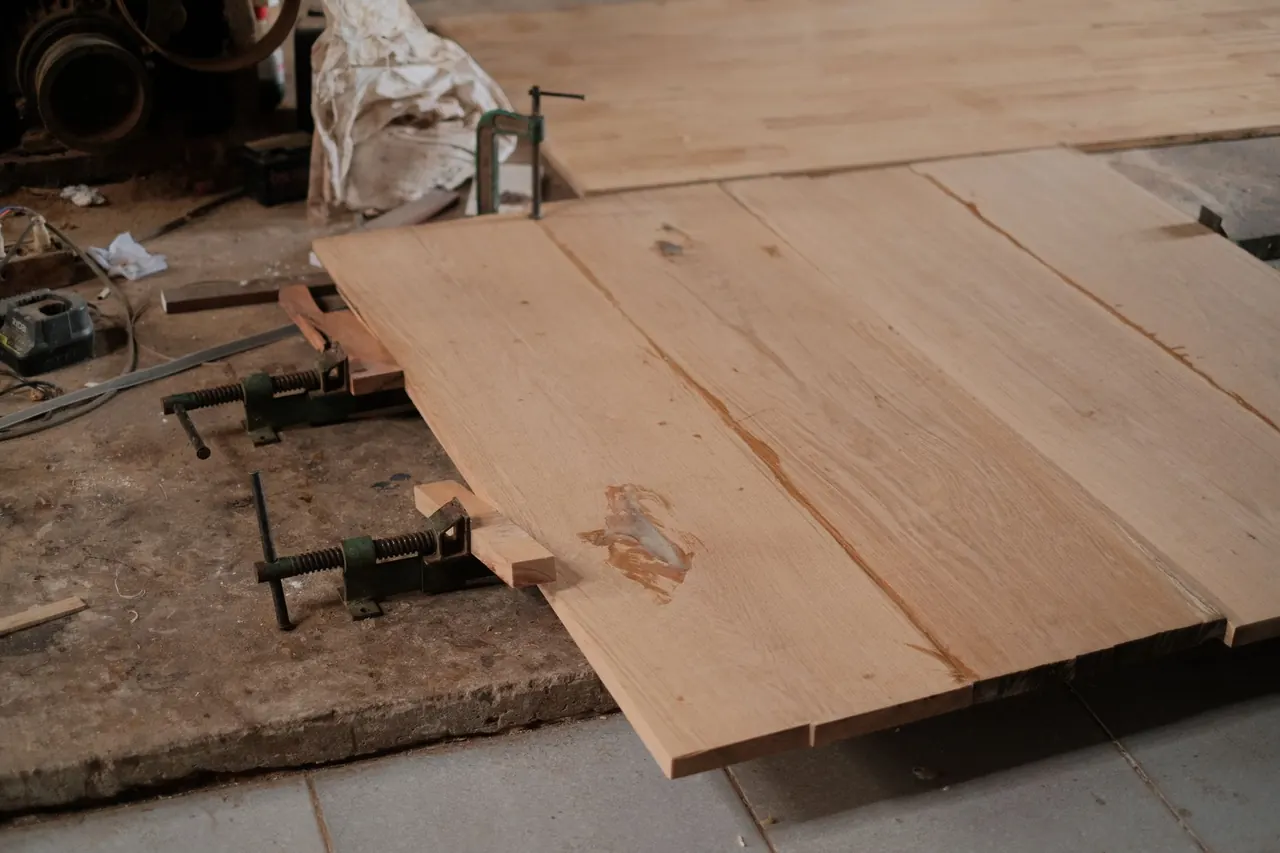
The tapping block closes plank joints without damaging the tongue. The pry bar and scraper lift old flooring and adhesive during tear-out without gouging the subfloor.
We follow National Wood Flooring Association guidelines for subfloor flatness, moisture content, and fastener spacing. Those standards are why our installs pass inspection and hold up to Abilene's humidity swings.
Wood sits in your home for 48 to 72 hours before it goes down so it adjusts to indoor conditions. Skipping acclimation is the fastest way to end up with gaps and cupping after the first season change.
We pull the carpet, discover solid red oak planks underneath, and refinish them instead of installing new wood. That saves the full material cost and keeps the home's original character. We fill gaps, sand, and apply three coats of water-based finish. The homeowner gets a like-new oak floor for roughly a third of what new installation would have cost, and the project finishes in under a week.
We test the slab with a moisture meter and find readings above the limit for solid wood. We recommend engineered hardwood planks glued down over a vapor barrier, which tolerates the residual moisture. Installation runs three days and finishes before the movers arrive. The family moves into a finished home on schedule, with a floor that will not cup as the slab continues to dry.
We remove about 80 square feet of buckled planks, dry and treat the subfloor, and source matching white oak planks. After installation we sand and blend the repair area into the existing finish so the seam is invisible. The repair costs a fraction of a full-room replacement, and the kitchen floor is flat, dry, and matched to the rest of the house.
We install prefinished engineered hardwood planks in the living areas and hallway, about 700 square feet, with a wear layer rated for rentals. Prefinished planks skip on-site sanding, so the unit is back on the market in two days. The owner gets a floor that survives turnovers and cleans up fast, with a lower total cost than solid wood and finish work.
Abilene's climate does most of the talking when it comes to wood floors. Summers push indoor humidity down and winters bring cold fronts that dry the air further, so planks move more here than in coastal Texas. We set every job up for that swing by testing moisture, installing a vapor barrier where the slab or crawlspace calls for it, and recommending a humidifier if your home drops below 30 percent in January. Building stock matters too. Homes in Original Town North and Original Town South often have pier-and-beam foundations with original oak that is worth refinishing, while newer builds near Ft Phantom Area sit on slabs that need engineered planks or a longer acclimation window. If you are pricing hardwood flooring prices for 1000 square feet Abilene, the foundation type and subfloor condition will move the number more than the species you pick. We also work around Dyess Area schedules, where families often need a fast turnaround between deployments. Across ZIP codes 79601, 79602, and 79605, we handle everything from single-room repairs to whole-house installs, and we pull the right permits when a job requires them under Taylor County rules.
An 850 square foot Elmwood home had worn beige carpet through three bedrooms and a hallway. The subfloor had a few soft spots near a bathroom wall and one squeaky panel over the main beam.
We removed the carpet, replaced two plywood panels, and installed solid red oak planks finished on site with three coats of water-based polyurethane. The job took four days, and the homeowners gained a floor that cleans up with a damp mop.
Vacuum weekly with a hard-floor attachment and damp mop monthly. Keep indoor humidity between 35 and 55 percent, and recoat the high-traffic hallway every 7 to 10 years.
A slow dishwasher leak had cupped and darkened about 80 square feet of oak in a 1955 Sayles Blvd Area kitchen. The subfloor under the sink cabinet was soft, and the finish had cracked along the seams.
We cut out the damaged boards, replaced the soft plywood, treated the area for mold, and installed matching white oak planks. After sanding and blending, the repair area is invisible from standing height. Total time was three days.
Check under-sink plumbing twice a year for drips. Wipe up spills promptly, and keep a mat in front of the sink to reduce finish wear.
A rental near Dyess Area had peeling vinyl in the living room and hallway, about 700 square feet. The slab tested slightly high for moisture, and the owner needed the unit back on the market quickly.
We glued down engineered hardwood planks over a vapor barrier, skipping on-site sanding because the planks came prefinished. The unit was tenant-ready in two days, and the floor handles turnovers far better than vinyl did.
Sweep or vacuum weekly and use felt pads under furniture. Avoid wet mopping; a slightly damp microfiber mop is enough to keep prefinished planks clean.
Abilene's clay soil and dry summers are hard on wood floors. Most of the calls we get start with one of these problems, and most of them get worse if you wait. Here is what we see and how we handle it.
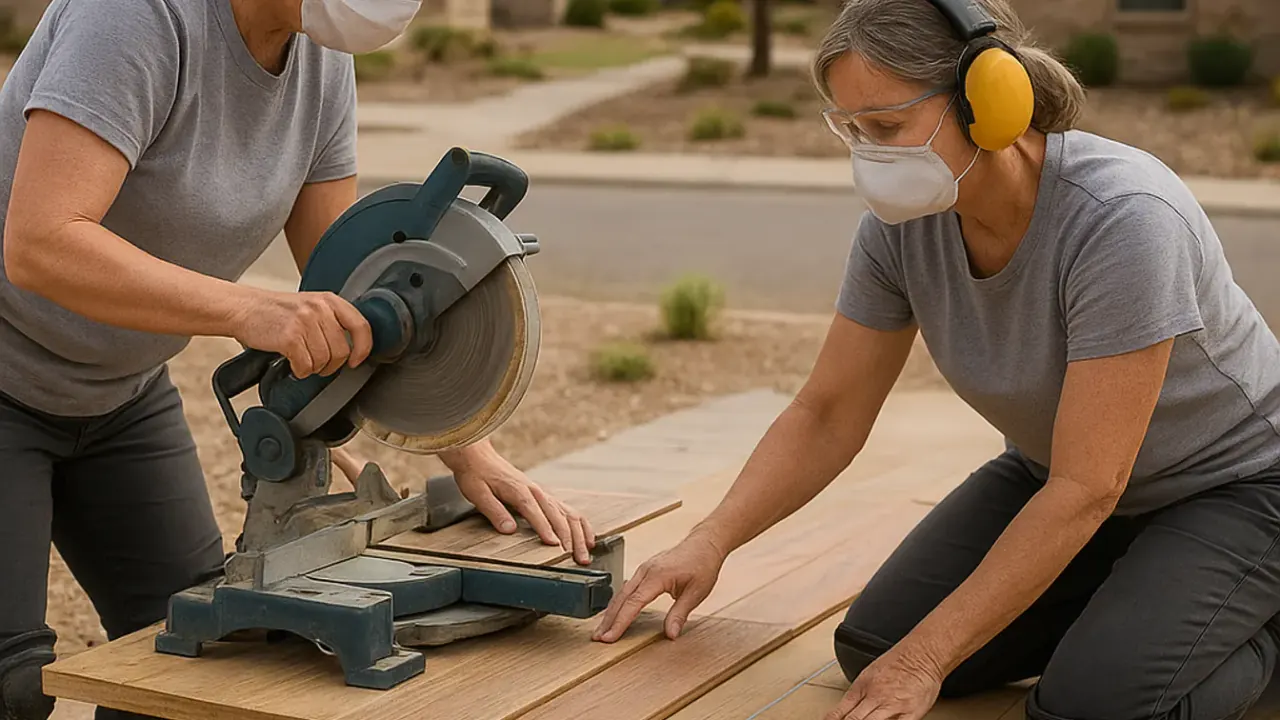
We find the moisture source first, whether it is a crawlspace vent, a slab leak, or a missing vapor barrier. Then we dry the space, replace the worst boards, and sand the rest flat with a drum floor sander before refinishing. Boards rise at the edges or hump in the middle, and the finish starts to crack along the seams. Left alone, cupped boards can delaminate and force a full replacement instead of a repair.
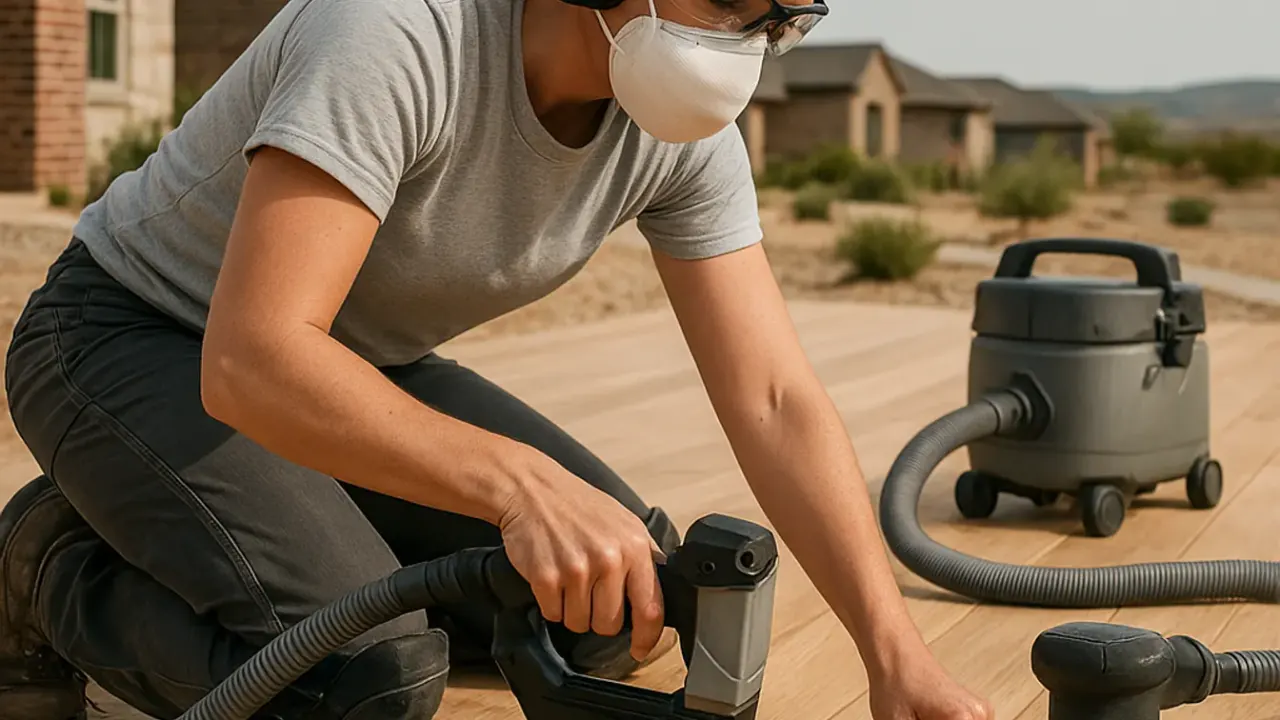
We check indoor humidity and recommend a whole-home humidifier if readings stay below 30 percent. For existing gaps we fill with wood floor filler matched to the stain, then screen and recoat so the seams disappear. Normal seasonal movement opens hairline gaps, but gaps wider than a credit card let dust and crumbs down into the subfloor and make the floor look tired. In extreme cases the tongue-and-groove joints loosen.
We locate the noise, drive new flooring cleats and staples from above or below, and screw the subfloor tight to the joists. Loose boards get re-secured or replaced, then blended into the surrounding floor. A squeak is a fastener that has lost its grip or a subfloor panel rubbing against a joist. Ignore it and the board eventually works loose, which means a bigger repair and a visible patch.
We cut out and replace the stained boards, treat the subfloor, and check for mold under flooring. If the damage reaches the plywood, we replace that too. Then we refinish the room so the repair blends. Urine soaks past the finish into the wood and sometimes the subfloor. The stain darkens over time, the odor lingers, and mold can grow underneath in a crawlspace. Sanding alone will not fix it.
Hardwood consistently returns more at resale than carpet or vinyl in the Abilene market. A 1,000 square foot install in white oak planks often appraises back a large share of what you spent, and buyers touring homes in the Lytle Area notice wood first. It is one of the few upgrades that pays you back.
Carpet traps caliche dust and pollen; hardwood does not. A quick pass with an industrial floor vacuum or a damp microfiber mop and it is done. For households with allergies or pets, that alone justifies the hardwood floor installation cost per square foot Abilene TX homeowners pay.
Solid 3/4-inch planks can be sanded and refinished several times over their life. When the finish wears thin in a hallway, we bring in a drum floor sander and an edger sander, lay down new water-based polyurethane finish, and the floor looks new again for a fraction of replacement cost.
Wood stays warmer than tile in January and cooler than carpet in August. In a climate that swings from 20 degrees to 105 degrees, that matters. Engineered hardwood planks with a quality underlayment add a little give, which is easier on knees and backs than concrete or ceramic.
Clear records you can keep and share.
Room-by-room square footage and line items
Subfloor and wood numbers before install
Coats, products, and dry times in writing
The board you choose matters less than what is under it. Subfloor condition and moisture control decide how your floor looks in five years.
We meter the slab or crawlspace before quoting. If readings are high, we change the plan instead of risking cupped boards later.
Solid wood can be refinished several times and suits pier-and-beam homes. Engineered planks handle slab moisture better and skip on-site sanding.
Wood sits in your home for 48 to 72 hours before installation. That wait prevents gaps and buckling once the seasons change.
Outside these areas? Call and ask, we may still get to you. (325) 532-0708
Most Abilene homes land between $6 and $12 per square foot installed in 2026, so a 1,000 square foot job runs roughly $6,000 to $12,000. That covers tear-out, subfloor prep, materials, fasteners, and finish. Solid red oak sits at the lower end; wide-plank hickory or exotic species push toward the top. Crawlspace repairs or self-leveling add cost.
Material alone runs $3 to $8 per square foot, and labor adds $3 to $6. Engineered hardwood planks usually price below solid wood, and prefinished planks save on-site finishing time. If you are comparing hardwood flooring price per square foot Abilene TX quotes, ask whether the number includes tear-out, disposal, and finish coats. Ours always does.
Yes. Prefinished engineered planks, narrow 2-1/4 inch strips, and domestic red oak are the most budget-friendly routes. You can also save by handling tear-out yourself or limiting the install to main living areas and hallways. We will show you where cutting scope saves real money without hurting durability. Cheap hardwood floor installation near me Abilene searches usually lead to these options.
Our written quotes include materials, labor, underlayment or vapor barrier, fasteners, filler, and finish. The only add-ons are unexpected subfloor repair, stair work, or custom transitions, and we flag those before we start. If you want to supply your own wood, we will quote labor-only and note that the material warranty then runs through your supplier.
One call gets you a measured, written price with no obligation. We answer the phone, schedule a time that works, and show up when we say we will. Call (325) 532-0708 and let's put real numbers on your floor.
Call us at (325) 532-0708 or send an email and we will get back to you the same business day. We schedule estimates Monday through Friday, and we can usually get to most Abilene addresses within a few days. Tell us the rooms, the square footage if you know it, and what the floor is doing.